From Huffington Post
It’ll take more than a discreetly tucked money belt to protect your cash in Europe’s most expensive cities. Here’s how to experience London, Paris, Venice, and other delightful destinations for a whole lot less than the average traveler.
larigan – Patricia Hamilton via Getty Images
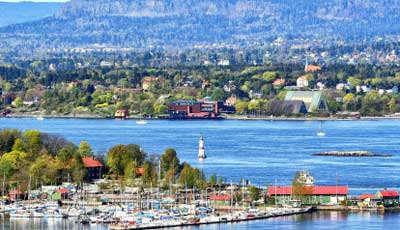
Oslo, Norway
First, the bad news: Oslo earned top billing in our recent list of the world’s most overpriced travel destinations, and the Norwegian capital makes it onto just about every other list, survey, and report about the most expensive places to live or visit, too.
But here’s the better news: If you’re determined, creative, and well informed, you can beat the high prices. Anyone willing to settle for modest accommodations has plenty of affordable options, including hostels, pensions, and guest houses (VisitOslo.com is a good place to start your search). Opt for free attractions like the Vigeland sculpture park and the Akershus Fortress, enjoy the abundance of free parks and gardens, and explore the many beautiful islands accessible by ferry.
If You Want to Save: Don’t visit in late fall during the Nobel Prize Award Ceremonies, when accommodations prices are sky-high. And if you’ve been meaning to do a cleanse, do it during your visit. Alcohol is particularly expensive in Oslo, so you’ll save a lot by skipping the drink.
Paris, France
It’s a classic case of supply and demand. There’s only so much Paris to go around, but the city’s wild popularity drives prices for this valuable commodity up—way up in some cases. Even if you’re a no-frills traveler, you can expect to pay nearly $200 per day for the basics. Luxury hotels run about $600 per night, mid-range hotels average around $210, and bare-bones (but not scary) hotels cost around $70 per night.
However, find ways to live like a local and you’ll discover plenty of ways to save. For instance, by booking an apartment rental rather than a hotel room, you’ll not only get more space for your money, but you’ll also get a kitchen and a fridge. And that can help you cut costs. Because while there’s plenty of fabulous food in Paris, there are also a lot of mediocre and overpriced options. Not eating out for every meal frees you up to explore the many wonderful (and less expensive) food purveyors and markets you’d otherwise miss.
If You Want to Save: Don’t stick to the beaten tourist paths. Often, by straying just a block or two off heavily trafficked tourist streets such as the Champs-Elysees or rue de la Huchette, you’ll find better food and shopping at much more reasonable prices.
Zurich, Switzerland
You know who thinks Zurich is expensive? Pretty much anyone who has ever bought a bottle of water, eaten a sandwich, or booked a hotel room there. Zurich regularly clinches a top-three spot on lists measuring the world’s most expensive cities. And it’s easy to see why: When you visit, you’re rubbing shoulders with locals who earn among the highest salaries in the world.
So what’s a budget traveler with a hankering for some clean air and a great view of Lake Zurich to do? EuroCheapo suggests a nightly hotel budget of about $170, although travelers willing to sacrifice more amenities and location can sometimes find rates closer to $100. Its editors’ picks start at about $89 per night. And if sightseeing is on your itinerary, consider the ZurichCard, which offers considerable savings for anyone who plans on visiting multiple museums, taking tours, and eating out. The card also includes unlimited public transportation, including tram, bus, train, boat, and funicular.
If You Want to Save: Don’t take a taxi. Zurich is a beautiful and walkable city, and it has some of the highest cab prices in the world. So strap on those walking shoes and explore the city on foot, by tram, or by free bike.
Venice, Italy
Venice has a starring role on bucket lists around the world, so it’s no surprise that it’s among Europe’s most expensive destinations. You’ll have to pay for the privilege of staying somewhere central, and eating out in the city inflates costs quickly. Price of Travel’s Three-Star Traveler Index puts the average daily cost for a budget traveler at about $180.
However, the effort it takes to work within a budget can actually yield some pleasant surprises and give you a better sense of the real Venice. You’ll find cheaper hotel rooms in less central locations, although getting around Venice is a pricey endeavor, so always factor in transportation costs before deciding on the lowest priced accommodations. When it comes to food, eat like a local and head to a bacaro (a small bar that serves cheap and delicious tapas-like cicheti, or snacks).
If You Want to Save: Don’t hop a gondola. The tourist-magnet boats have long been glorified as a part of the Venice visitor experience, but they’re wildly expensive and they aren’t the only way to appreciate the city by boat. If you’re planning on navigating Venice by water, consider a 24-hour travel card, which you’ll only need to use about three times to recoup the cost. And if the gondola experience is a must-have, do it on the cheap by finding a traghetto. These large gondolas carry several passengers at a time across the Grand Canal for only a few euros.
Stockholm, Sweden
TripAdvisor’s recent TripIndex puts Stockholm at the ultra-pricey end of European cities, with an average daily vacation cost of more than $500 (including hotel, taxi, dinner, and cocktails). This makes sense when you consider that according to The Economist’s Big Mac Index, the Swedish krona is overvalued by about 36 percent against the U.S. dollar. Modest travel tastes won’t protect you from the high prices, either: Price of Travel estimates that the budget-conscious traveler can get by on about $215 per day.
Hotels in Stockholm are expensive, and it’s quite difficult to find exceptions to the rule. However, if you’re willing to consider a hostel, prices drop. Keep in mind that many hostels offer private rooms with private bathrooms, which can provide a more hotel-like experience, at least while you’re sleeping.
If You Want to Save: Don’t visit in summer. Of course, this advice goes for all of these destinations, but Stockholm hotels in particular get crazy expensive during the summer. Spring and fall are comparatively affordable, and you’ll still get some daylight during which to admire the city.
Read the full article from Huffington Post.