By Steve Rose, The Guardian
South Korea’s cinema boom continues to echo through Hollywood, with the country’s acting talent heading Stateside and Korean stories regularly remade. Yet these Americanised versions often end up drained of the weirdness that made them so bracing. It’s like trying to make coleslaw out of kimchi. Here are five things that Korean cinema does better.
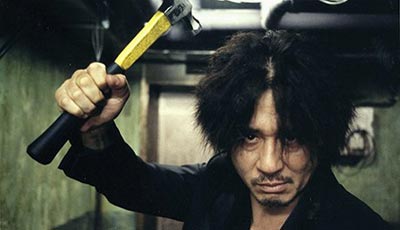
Min-Sik Choi in Oldboy. Photograph: Allstar
Inventive murder weapons
There’s no right to bear arms in the South Korean constitution, but it doesn’t say anything about hammers. In Hollywood you can simply spray the bad guy with bullets; in Korea, you’ve got to think out of the box. The toolbox, most often. Oldboy and The Chaser said it with hammers; The Isle deployed fish hooks (many viewers are still recovering); other novel weaponry has included pliers, golf clubs, dumbbells, or simply bare hands. All of which make for visceral close-combat fight scenes and higher dry cleaning bills.
Deranged storylines
South Korea shares a border with a communist dictatorship that’s hungry, armed to the teeth and constantly threatening to start a nuclear war. The US has Canada. Living in a permanent state of military paranoia must do things to the South Korean psyche that we cannot comprehend. Perhaps this is why they so regularly come up with terrifying horrors and ingenious gotcha plot twists. What’s beyond our wildest imaginations isn’t beyond theirs.
Genre-bending
It’s not just geographical borders that are shakier. Korean movies blithely flout Hollywood’s carefully policed genre rules. As a result, they end up with labels like “kimchi western” (The Good, The Bad, The Weird), “eco-kidnap serial-killer alien-invasion thriller” (Save The Green Planet!) or “man who has a gun inserted into his penis and becomes aroused at the sight of ballerinas and has a brother who’s half-tiger drama” (Never Belongs To Me).
Read the full article by Steve Rose from the Guardian.