By Holly Martins, My Bank Tracker
With the coming change of seasons, school bells will ring again and the youngsters return to the classroom. No matter what subjects your kids will be studying, high on their educational agenda should be managing their own money and financial affairs.
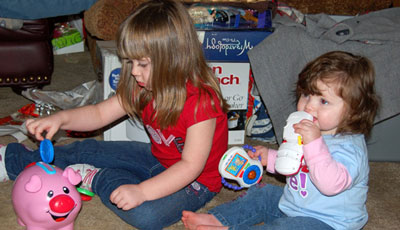
No matter what subjects your kids will be studying, high on their educational agenda should be managing their own money and financial affairs. (My Bank Tracker)
Most young Americans are lost when it comes to money management, according to the results of a financial literacy test given by the National Financial Educator’s Council. Students 15 to 18 years old who took the test scored an average of little more than 59 percent.
Students freely admit their financial ignorance. Nearly half of the teens polled by Opinion Research Corporation — 49 percent — reported feeling essentially clueless about money management. The survey also identified a big reason behind this lack of financial knowledge — 90 percent of teen respondents said they’re not being taught what they need to know about money management.
Financial educators say the best way to begin the process of learning about the everyday facts of financial life is to start at home. Involve your children in personal finance from an early age. Kids need real-world, personal application of the financial concepts you want them to learn
Practical suggestions for learning
Set a good example. You can tell your kids that money is for three things — saving, spending and sharing — but unless they see you doing that, the lesson probably isn’t going to sink in. Support at home what your kids are learning in school. Talk to your child’s teacher about what he or she is learning in the classroom and how those lessons can be reinforced at home.
Be honest with your kids, and talk to them about your budget. For young kids, it can be as easy as talking about how much groceries cost. Go to the grocery store together and talk about the basics of prices, shopping and spending.
It’s important to put things in context for kids. You may wish your children to know what the family’s household income is and how much you pay monthly for the family mortgage.
Instill a habit of saving early. Open a savings account for your child and make regular visits together to the bank to deposit money, even if the amount each time is small. Set an achievable savings goal based on your child’s age — it’s about making saving money a habit.
Give your child the resources to practice with. You can’t teach them about money without giving them some, so an allowance of some sort is in order. It may involve a family discussion and decision on how much can be afforded and whether the allowance should be tied to chores.
What they need to know to start banking
Understand where the money goes. If they don’t know how much they’ve spent and on what, they won’t know how much they have left to afford the things they want. There are free smart phone apps available that will keep track for them with barely any work on their part.
A budget is just a plan for their money. Once they know where their money goes, a budget maps out how much money they owe every month, and how much money they have left. It’s not restrictive, like a diet — it’s just a way to make sure they aren’t spending money they don’t actually have.
A checking account is different from a savings account, so don’t treat it as one. A checking account earns little or no interest and keeps cash at hand to pay bills or make cash withdrawals. they shouldn’t keep more money there than they need for their bills, plus a buffer. A savings account earns a bit of interest and is meant to hold money for the longer term.
Never pay ATM or checking fees. There are plenty of banks out there with conveniently located in-network ATMs and checking accounts without fees. Paying for either simply means they didn’t do the two-minute Google search to find a better option.
Read the full article by Holly Martins from My Bank Tracker.