By An Nguyen, Radio Free Asia
Vietnamese authorities have decided to press charges against a prominent blogger and his assistant after detaining them for six months for publishing anti-government essays, but lawyers have called the impending court action illegal.
Nguyen Huu Vinh in a file photo. Photo courtesy of blog Mõ Làng
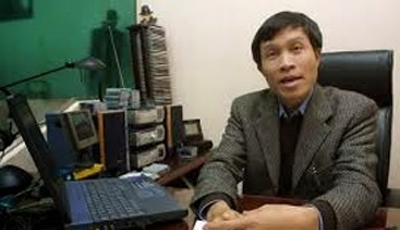
Blogger Nguyen Huu Vinh, 58, who is also known as Anh Ba Sam, and his assistant, Nguyen Thi Minh Thuy, 34, will be charged with violating Penal Code article 258 on “abusing freedom and democracy to infringe upon the interests of the state,” Vietnam’s Ministry of Public Security announced last week.
The announcement came at the end of a police investigation launched shortly after the two were arrested at their homes in the capital Hanoi in May for posting essays “that had the potential to tarnish the state apparatus’ prestige,” according to state media.
Vinh, who is known for founding the political Basam blog, and Thuy could face jail terms of up to seven years if convicted under the charges.
Communist Vietnam, where all media is state-run, does not tolerate dissent, and rights groups identify Article 258 as among the vague provisions the authorities have been using to detain and jail dozens of writers and bloggers over the last two years.
Rights lawyer Ha Huy Son, who represents Vinh, confirmed Monday that he had received results of the police investigation, but told RFA’s Vietnamese Service that he had not been provided with other documents related to the case.
“Based on the investigation process, I see this case has violated the 2003 criminal litigation law of Vietnam [because the police] detained people first and looked for evidence later,” he said.
Blogger Pham Viet Dao, who was freed in September after serving a sentence for violating Article 258, told RFA that the two should not be charged under the same provision because they were only reporting information they had received from other sources.
“If they prosecute Vinh, they have to penalize [his Internet service provider] first, because whatever information Vinh got was through them—he did not produce the information himself,” he said.
He said that people in Vietnam can easily use the Internet to access information that is deemed anti-state and should not be held accountable if they did not create the content.
Read the full story HERE.