By Emanuella Grinberg, CNN
For Frank Clegg Leatherworks, “made in America” is not a seasonal trend or marketing slogan meant to evoke classic workwear looks or to drive sales of limited edition brand collaborations. It’s simply the way Ian and Andrew Clegg’s father has done business since 1970 in Fall River, Massachusetts.
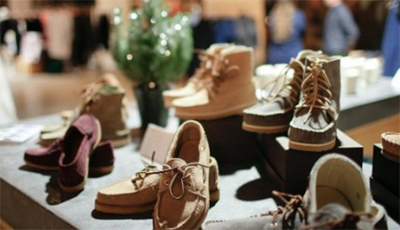
Made in USA with a modern twist – Northern Grade co-founder Katherine McMillan designs women’s shoes and outwear as a part of Pierrepont Hicks, a men’s accessories line that she and her husband launched in 2009. (CNN)
It has not always been easy. Frank Clegg resisted the urge to outsource production overseas even as clients disappeared and margins shrunk. In the 1990s they started making bags for other labels to stay afloat. As the Cleggs tell it, staying in Massachusetts was the only way to ensure survival, by standing out for maintaining quality control of their products.
But will consumers see it that way beyond next season? How can brands like Frank Clegg that are in it for the long haul convince the Target generation that one of their leather satchels is worth the triple-digit investment? Ian Clegg pondered this sentiment aloud to a group of people gathered in a Brooklyn showroom on a rainy Saturday night in December for a panel discussion on the future of American apparel manufacturing.
His family business trains and employs skilled leather craftsmen, paying them a living wage to make quality bags and accessories, he said. “In order to keep that going we can’t let it be a trend,” he told the group of entrepreneurs, small-business owners and fashion enthusiasts.
“How do we keep it going without it being a trend?”
The question comes at a time when shopping small and local are attractive buzzwords for a generation of consumers that claims to be disillusioned with corporate America. Whether they’ll pony up the extra cash for a handbag whose makers claim will last longer than their fast-fashion equivalents is another matter — a reality that the Cleggs and other business owners in attendance seemed to be aware of.
The discussion occurred during a pop-up market called Northern Grade, which features American-made goods with a contemporary feel. The first Northern Grade launched in 2010 as a menswear market in Minneapolis, expanding to other cities amid growing demand for classic looks inspired by American heritage brands.
People travel hundreds of miles for the markets, which tend to attract style-conscious men (and women) willing to pay a premium for waxed cotton jackets, selvedge jeans or Oxford cloth shirts made in the United States. Northern Grade is one of several new markets trying to reach this consumer, building on the success of its predecessor, the Pop-Up Flea, which has also expanded to new cities worldwide since its first show in 2009 in New York.
December’s Northern Grade was the first to exclusively feature American-made products for women in an attempt to reach a demographic historically known to favor fast fashion over high-dollar investment pieces from new or emerging brands.
The brands (and price tags) at Northern Grade’s markets for men and women are not for everyone, said market co-founder Katherine McMillan. They’re trying to reach consumers searching for quality in an item, shoppers “who appreciate the details and bigger picture when buying an item,” she said.
“There will always be the people who buy a shirt at H&M that’s made fast and costs less than a shirt made in the U.S. by a smaller brand,” she said. “I’m hoping the quality shopper wins out in the long run.”
The Americana boom in menswear has led to greater demand for tomboy-inspired looks for women the past few seasons. So-called “boyfriend”-style button-up shirts and jeans are mainstays in stores like Madewell and J. Crew, and just about everyone from Valentino and Alexander Wang to Opening Ceremony has incorporated elements of casual and formal menswear into their runway looks.
Menswear’s influence was apparent in many of the brands at Northern Grade, not by coincidence. Stephanie Beard, founder of Austin-based brand esby, said working in menswear inspired her to start her own line for women.
“I was really envious of how classic menswear was, but it was not cut for my body,” she said. “I felt like there was a market for quality womenswear because I couldn’t find it when I was looking for it.”
Read the full article HERE.