By Kieran Hobson, Find Out
Have you ever thought about your traveling bucket list? We all have one. Even the most sophisticated of travelers has it. That internal inventory of places you know you have to see before you die. You’re fascinated by the places on your list, of course, but a small part of you wants to go there because it will move you closer to completing your internal worksheet “catalog”. If you’ve struggled with which locations are must-includes on your list, look no further. The Seven New Wonders of the World (with an extra ancient wonder thrown in for good measure) are outlined below. So, get that list and a pencil out and start writing!
The Great Wall Of China – Huairou, Beijing, China
The Great Wall Of China
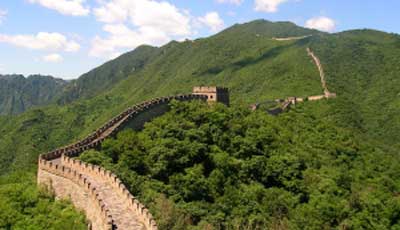
Built by the hands of men, this marvelous stone and earth fortification spans 4,000 miles across the historical northern borders of China. It is a testament of human achievement and is the world’s largest man-made structure. Finished between 5th century B.C and 16th century A.D during the Ming Dynasty era, the Great Wall of China was made to protect the borders of the Chinese Empire from the invading Mongols. It is China’s (and maybe the world’s) most monumental feature and a symbol of Chinese historical heritage.
Best Time to Go:
Due to its immense size and geographic territory covered, the weather at the wall is as varied as the country itself. Additionally, if visiting the Badaling portion of the wall (the most commonly visited section due to its proximity to Beijing), crowds during the summer months can be a deterrent. Consider visiting in the spring or fall when weather is mild and crowds are minimized.
Entrance Fees:
Minimal, some locations none. The entry to the wall is handled by locals so the price, if any, varies. Plan for a few dollars. A guided tour is not necessary but, if you prefer a tour, consider booking one through a Beijing hostel where prices are approximately $40 USD and includes transportation.
Christ the Redeemer Statue – Rio de Janeiro, Brazil
Christ the Redeemer Statue
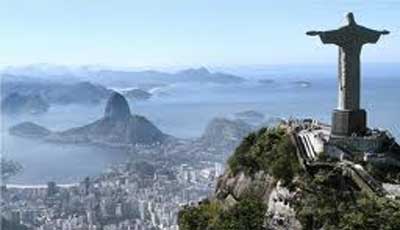
As if in a perpetual state of being blessed from above, the Christ the Redeemer Statue has been standing upon Corcovado Mountain looming over the Brazilians since 1931. It was designed by engineer Hector da Silva Costa and sculpted by Polish-French sculptor Paul Landowski. It was built through the efforts of donations mainly by Brazilian Catholics during a time when the nation wanted to have a large religious monument to commemorate its deeply rooted Christianity. It stands 130 feet tall and is made with reinforced concrete and soapstone, cost approximately$250,000, and took nine years to build. The design of Jesus’s open arms was chosen as a symbol of love and peace.
Best Time to Go:
Winter when the temperatures are mild (mid 70’s). To avoid the crowds, avoid New Years and the period of Carnival (mid February). If taking the tourist train, go early in the morning or late in the afternoon.
Entrance Fees:
Free to view. A taxi ride from the center of Rio to the Redeemer Statue is approximately $6 and the tourist train is $12.
Machu Picchu – Cuzco Region, Peru
Machu Picchu
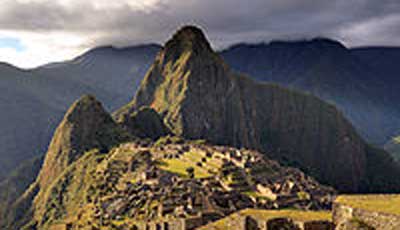
During the 1400’s the Inca civilization of the Cuzco Region was the largest empire in pre-Columbian America. Although it’s true purpose is still unknown, most archaeologists believe that Machu Picchu was built as an estate for the Inca emperor, Pachacuti. Made of sparkling granite and polished dry-stone walls, it remained hidden and unknown until archaeologist Hiram Bingham rediscovered it in 1911. Machu Picchu is an Incan city majestically sitting on top of the mountain ridge in the Cuzco Region of Peru, South America.
Best Time to Go:
The shoulder seasons of May/June or September/October are excellent times to visit this breathtaking UNESCO World Heritage location. These months avoid the traditional rainy season as well as the high peak summer season where crowds are common.
Entrance Fees:
A three day pass costs approximately $40 and must be reserved in advance as the monument only allows 400 people/day. The easiest way to reserve tickets is online using your credit card.
Chichen Itza – Yucatan Peninsula, Mexico
Chichen Itza
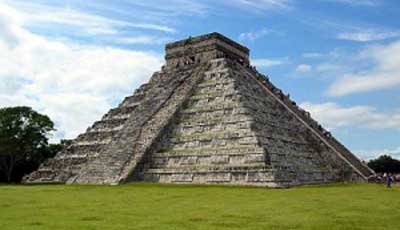
Chichen Itza, which means, “at the mouth of the well of the Itza” is a large city built by the Mayan Civilization during 600-900 AD during pre-Columbian Mesoamerican history. Located in the Yucatan state in Mexico, Chichen Itza is the city built by the Mayans that shows its diverse culture and historical civilization. A central hub of the Mayan’s government system and economy, it flourished from 800-1200 AD. The most famous structure out of the many archaeological sites in Chichen Itza is the Kukulkan Pyramid, which means “the castle”.
Best Time to Go:
Summers are extremely hot on the Yucatan Peninsula. Consider a winter trip to enjoy all that Mexico has to offer and the enjoyable weather that goes along with it. Chichen Itza is open between 9am – 6pm so plan accordingly.
Entrance Fees:
Fees are just under $10 per person and include a light and sound show. Head phones for translations are approximately $2. Consider spending the money for a guided tour of Chichen Itza. Tours are relatively inexpensive from Cancun and Cozumel and will greatly enhance your experience.
Read the full article by Kieran Hobson from Find Out.