By Cathy Meyer, DivorcedMoms.com
We all know that marital debt, just like marital assets, are split during divorce. Something not discussed though is the fact that a contract you have with a debtor doesn’t change regardless of who is ordered to pay which debt.
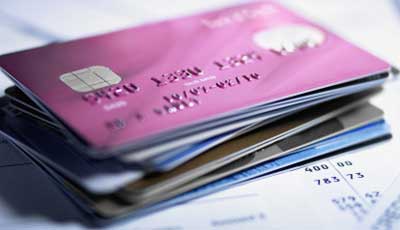
Divorce debts. Photo by Adam Gault via Getty Images.
In other words, if your name is on a car loan or home mortgage you will continue to be held responsible post divorce for those debts.
The only agreement a creditor has to abide by is the one you signed with them. It doesn’t matter if your final decree of divorce states that your ex is to pay the car loan. That does not release you of your obligation for the loan. It is for this reason that I suggest couples pay off as many debts as possible before filing for a divorce.
If your ex is ordered to pay debts X, Y and Z and fails to do so, a creditor will come after you if your name is also on the loan agreement. That is the most important thing you need to know when it comes to dividing debt during the divorce process.
How About Debt You Weren’t Aware of?
If you live in a community property state, you can be held responsible for debt incurred by your spouse even if you were unaware of the debt and did not sign an agreement with a creditor. In other words, in a community property state marital debt is considered joint debt — debt that you are both responsible for. A creditor can come after you for payment of debt you did not create.
To help protect yourself if you live in these states, full financial disclosure is important during settlement negotiations. You should make a detailed list of all account numbers, amounts owed, and who is responsible for each of the debts. Ordering a copy of your credit report can help you get started.
How to Protect Yourself if Your Ex Doesn’t Pay
Let’s say it is decided that the marital debt will be split equally between you and your ex. You are to pay half; he is to pay the other half. What can you do if he doesn’t pay his half and you have to pay to protect your credit rating? You can’t do anything unless you have an indemnity clause added to your divorce settlement agreement during negotiations.
If worded properly, an indemnity clause will allow you to take your ex back to court for any money you had to pay as a result of the loan going into default. Consult with your lawyer about this before signing the final papers.
Read the full article by Cathy Meyer from DivorcedMoms.com.