By EJ Mundell, HealthDay
A typical salon manicure involves drying freshly painted nails under a lamp that emits ultraviolet-A (UV-A) rays — a spectrum of light long linked to skin cancers.
Although the intensity of an ultraviolet nail dryer is much less than that of a tanning bed, some experts say enough exposure over time could increase the risk of skin cancer. Jaunty Junto/Getty Images
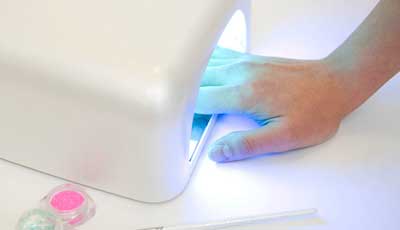
But a new study suggests that the average visit to a nail salon carries little carcinogenic potential.
“Considering the low UV-A energy exposure in an average manicure visit, multiple visits would be required to reach the threshold for potential DNA damage” that might spur cancer, wrote a team reporting their findings April 30 in JAMA Dermatology.
In the study, researchers led by Dr. Lyndsay Shipp of the department of dermatology at Georgia Regents University, in Augusta, say that prior studies into the use of UV-emitting nail polish drying lamps have not had sufficient rigor to come to any reliable conclusions.
In their study, Shipp’s team used high-tech meters to measure the UV-A light exposures upon hands held in various positions under 17 different types of drying lamps. The researchers conducted the study at 16 nail salons.
First of all, they said, there were “notable differences” in the amount of UV-A light emitted by the various devices, and the amount of exposure to the hands also varied depending on the positioning of the device.
Read the full article by EJ Mundell from HealthDay.