By Linzay Logan, Competitor
What’s worth believing and what can you take with a grain of salt?
As runners, we hear it all the time — running as far as we do can’t possibly be good for us.
Naysayers will say running is hard on the body and it will ruin your knees and hips and make you sore and stiff. But what about the seemingly endless research that says running is good for your legs and lungs and can make you a healthier human being? What are the facts and which of these claims are just myths?
We talked to some coaches and doctors to get to the bottom of it all and debunk some of the most common myths heard in running circles.
1. You Need To Have A Certain Body Type

You Need To Have A Certain Body Type
Anyone with any body type can be a runner, Steven Tally, a coach for the San Diego Tri Club explained. “I tell people to come out to a race and watch and you’ll see people of all shapes and strides.”
2. Stretch Before You Run

Stretch Before You Run
“It’s a myth because your muscles are not warm yet and it’s very important for your muscles to be warmed up before stretching,” explained Austin-based triathlon coach Hollie Kenney. “By increasing the temperature of your muscles, they will be more flexible and you can loosen up your muscles and soft tissue as much as 20 percent. Cold muscles are at the highest risk for injury, which can happen while/from stretching.”
3. Runners Don’t Need To Strength Train
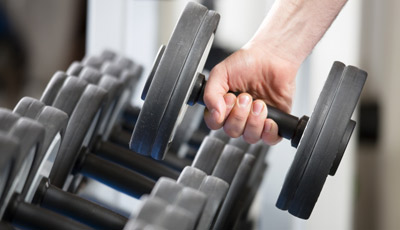
Runners Don’t Need To Strength Train
Running strengthens your muscles, but strength training helps to strengthen them even more, building your running potential. “You need to have strong muscles to run 26.2 miles and even more important, to recover,” explained John Martinez, the assistant head doctor for the Ironman World Championships. “You can run five days a week and you’ll finish a marathon, but if you want to PR or qualify for Boston you need to have some kind of strength training in there. It’s about improving our performance.”
4. Barefoot Running Will Reduce Injuries

Barefoot Running Will Reduce Injuries
The opposite is the case if you are not used to running in minimalist shoes or barefoot and jump right into it, Martinez said. “Everything in moderation including moderation; that holds true with barefoot or minimalist running. I see people come in [to my office] in the minimalist shoes after they’ve run five miles their first time out in them and want to know why they got stress fracture. It’s like taking a car and putting two different sized wheels on it and then asking why it’s not steering right.” Martinez warns about jumping into new running trends such as minimalist running because they think it will give them a one up on their competitors. “For a lot of triathletes and runners right now, if they hear something will make them faster, they ask how much is it and they put out a credit card.” Instead, do your research and ease your way into minimalist or barefoot running.
5. You Have To Run Every Day To Improve

You Have To Run Every Day To Improve
“It’s really not true. You can’t be totally random about your running schedule, but if you are running two or three days a week you will build your fitness just as fast as someone running several days a week,” Tally said. “You can run less and do just fine. Just take the time to build up to longer distances.”
Read the full article by Linzay Logan, Competitor.