From Huffington Post
No, the “burger boom” still isn’t over. It remains vital and appealing to both consumers and entrepreneurs. Burgers are culinary survivors: They can adapt no matter where mainstream tastes flow. If Peruvian-Korean fusion cuisine or heirloom tomatoes are what strike diners’ fancies, burgers can handle them.
cheeseburger
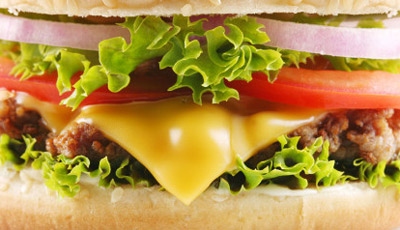
Given the culinary and business currents we’re already seeing, I’m expecting 2014 to be the Year of Fresh for burger bars. For chain burger restaurants, I forecast a Year of Loyalty.
By fresh I don’t mean simply the opposite of frozen, although using fresh beef is one example of the movement I’m seeing. But “fresh” also means house-made. Look for more ground-in-house beef and house-made sauces, relishes, aïolis, side dishes and even cheeses. There will be less push for fancy or funky buns and more desire for buns freshly baked in-house or at a bakery down the street.
Look for upscale burger bars to begin using more and varied fresh vegetable and herb toppings — preferably locally grown — on burgers. Gloppy double cheeseburgers certainly aren’t going away, but we should see more burger joints using fresh spinach or arugula accents on them. Artichoke, fennel, mizuna, cucumber, red onion and sliced fruits such as apple and pear will turn up on more burgers.
If you need examples of how that’s done, check out the weekly burger specials at Victory Burger in Oakland, Calif. A recent special (above) was its Kimchi/Mayo Burger: A Five Dot Ranch beef patty topped with house-made kimchi of Napa cabbage and bok choi, raw watermelon radish, and fresh-made mayo.
Identifying the source of the beef on the menu as Victory Burger does is another aspect of the “fresh” definition. And that push to provide food provenance with burgers will accelerate, too.
Read the full article from the Huffington Post.