Làm thế nào được vay tiền mua nhà?


Nắm được sự tài trợ để mua một căn nhà mới là một trong những biện pháp tài chánh quan trọng, hồi hộp và căng thẳng nhất mà hầu hết mọi người từng thực hiện.

Trong thời kỳ thị trường nhà đất bùng phát, những điều kiện vay tiền mua nhà được nới lỏng tới những mức không thể tồn tại được, và có vẻ như bất cứ người nào có thể tới gặp một nhà cho vay cũng bước ra với sự tài trợ. Nhưng trong một nỗ lực nhằm phục hồi một thị trường với những vụ xiết nhà và những vụ không trả nợ gia tăng kỷ lục, các nhà cho vay đã trở nên khó khăn hơn, các đơn vay tiền hiện giờ phải đáp ứng nhiều điều kiện hơn mới nhận được một món thế chấp. Liệu điều này có nghĩa bạn sẽ không thể nhận được sự tài trợ mà bạn cần hay không? Nói vắn tắt, không. Sau đây là một vài lời khuyên mà bạn cần làm theo để con đường sở hữu nhà của bạn êm ả hơn.


Nhân viên ngân hàng Bank of America hướng dẫn người mua nhà vay tiền. (Hình minh hoạ: Joe Raedle/Getty Images)

Củng cố tín dụng của bạn!

Nếu có một điều mà bạn có thể làm để gia tăng cơ may nhận được một món vay mua nhà, đó là xem xét cẩn thận tình trạng tín dụng của bạn và giải quyết bất cứ vấn đề nào làm giảm điểm tín dụng của bạn. Ðiều đầu tiên mà bạn phải làm là xin một bản sao hồ sơ tín dụng của bạn từ cả ba cơ quan báo cáo tín dụng lớn: TransUnion, Equifax, và Experian. Hãy nhìn vào những thông tin này một cách cẩn thận để bảo đảm rằng cả ba cơ quan đều đánh giá tín dụng của bạn như nhau.

Nếu bạn nhìn thấy bất cứ sai sót nào, hãy khiếu nại những sai sót đó với công ty liên hệ, Nếu điểm tín dụng của bạn quá thấp và khó nhận được một món thế chấp với lãi suất hấp dẫn (680 điểm trở lên được coi như tốt, 720 sẽ đặt bạn vào một vị trí rất tốt để nắm được sự tài trợ), hãy bỏ ra vài tháng để tăng điểm. Một đường lối để thực hiện điều này là rút một thẻ tín dụng ra, sử dụng thẻ để thực hiện những vụ mua sắm bình thường, và trả hết kết toán hàng tháng.

Giảm nợ nần của bạn

Bằng cách trả bớt nợ nần, không những bạn sẽ chứng tỏ với một nhà cho vay rằng bạn có nhiều triển vọng sẽ thực hiện những vụ thanh toán đều đặn, mà rồi bạn sẽ giảm bớt những vụ thanh toán hoặc trương mục hiện nay, ảnh hưởng tới tỉ số nợ nần so với lợi tức của bạn. Nói một cách giản dị, bạn càng giảm bớt những món tiền phải thanh toán càng tốt. Trong khi có thể bạn không trả dứt được món nợ mua xe hoặc tiền vay thời đi học một cách nhanh chóng, bạn nên bảo đảm rằng thẻ tín dụng của bạn và thẻ do các cửa tiệm cấp cho bạn có kết toán thấp hoặc không có.

Ðừng phung phí

Nếu bạn có thể bãi bỏ bất cứ vụ mua sắm lớn nào cho tới sau khi vụ mua nhà của bạn kết thúc, hãy làm như vậy. Bây giờ không phải là lúc chạy ra ngoài và mua một chiếc xe hơi đắt tiền hoặc bắt đầu một kỳ nghỉ hè xa hoa. Quy tắc thông thường là phải dè dặt trong việc chi tiêu của bạn – có nghĩa có thêm tiền mặt trong tay để đặt cọc nhà và dự trữ tiền mặt trong ngân hàng để dùng tới một khi bạn khởi sự thực hiện những vụ thanh toán thế chấp hàng tháng.

Tiết kiệm. Tiết kiệm thêm. Và rồi tiết kiệm thêm

Số tiền mà bạn có trong ngân hàng sẽ quan trọng khi bạn cần chứng tỏ với một nhà cho vay rằng bạn có thể đề nghị một khoản đặt cọc kha khá. Trong khi đặt cọc 20% là quy tắc cổ điển, có những món thế chấp không đòi hỏi tiền đặt cọc nhiều như vậy, Viên chức cho vay của bạn có thể chỉ bạn đi đúng hướng để lợi dụng bất cứ chương trình đặt cọc nào không tốn lệ phí hoặc lệ phí thấp. Nhưng mỗi khi có thể, hãy gia tăng quỹ tiết kiệm của bạn – càng nhiều tiền trong ngân hàng chỉ có lợi để giúp bạn đủ điều kiện vay một món tiền.

Sự ổn định là điều then chốt

Duy trì việc làm hoặc lợi tức vững chắc là một điều tuyệt đối cần thiết khi bạn nộp đơn vay một món thế chấp. Ðây không phải là lúc bạn cố tìm một ngành nghề mới cho vui hoặc phiêu lưu nhận một chức vụ mới trong khi công việc không bảo đảm lâu dài. Những nhà cho vay muốn thấy rằng bạn có một nguồn lợi tức ổn định, có thể kiểm chứng được, rằng bạn thanh toán tiền thuê nhà hoặc món thế chấp hiện hữu của bạn một cách đều đặn, và rằng bạn có vẻ như một người đáng để cho vay.

Nhận được một món thế chấp có vẻ như là một thách đố, nhưng với một chút cần mẫn, một chút kềm chế về tài chánh, và sự trợ giúp của một viên chức cho vay nhiều kinh nghiệm, bạn sẽ có mọi công cụ cần thiết để nắm được sự tài trợ mà bạn cần. Nếu bạn có thể chứng tỏ sự cam kết của bạn cho lý tưởng đó, chẳng mấy chốc bạn sẽ ở trên con đường sở hữu nhà.

Bộ Trưởng Hagel cảnh báo nguy cơ đụng độ tại Biển Đông

JERUDONG, Brunei (AFP) – Bộ Trưởng Quốc Phòng Mỹ Chuck Hagel hôm Thứ Năm lên tiếng cảnh báo giới lãnh đạo quốc phòng các quốc gia Á Châu rằng sự gia tăng các cuộc đối đầu trên biển đang tạo thêm nguy cơ đụng độ bất ngờ.

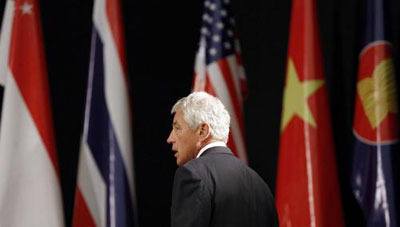
Bộ trưởng quốc phòng Hoa Kỳ Chuck Hagel chuẩn bị chụp hình lưu niệm với các bộ trưởng quốc phòng khác trong khối ASEAN, trước giờ khai mạc cuộc họp kéo dài hai ngày ở Bandar Seri Gegawan, Brunei, cuối tháng Tám, 2013. (Hình: AP)


Ông Hagel và các bộ trưởng quốc phòng khác từ khối ASEAN, Trung Quốc và sáu quốc gia khác chấm dứt cuộc họp kéo dài hai ngày ở Brunei, giữa khi Mỹ đang chuẩn bị có hành động quân sự để trừng phạt Syria về việc sử dụng võ khí hóa học.

Trung Quốc đang ngày càng bị nhiều cáo buộc là có thái độ hung hăng trong tranh chấp biển đảo với các quốc gia láng giềng, cũng như đòi hầu như toàn bộ vùng Biển Đông là của mình.

Tại Brunei, ông Hagel cảnh báo các bộ trưởng khác rằng hành động quân sự ở biển nhằm củng cố việc khẳng định chủ quyền “gia tăng rủi ro có đối đầu, gây nguy hại cho ổn định khu vực, làm giảm triển vọng có một giải pháp ngoại giao.”

Một số bộ trưởng trong 10 quốc gia ASEAN đề nghị có các biện pháp thực tế để tránh xảy ra đụng độ, kể cả việc mở đường giây nóng giữa các quốc gia ASEAN và Trung Qúôc, các phương cách để tránh va chạm tàu bè và thỏa thuận không là quốc gia đầu tiên dùng võ lực ở Biển Đông.

Tuy nhiên, các nỗ lực ngoại giao chính vẫn nhắm vào việc đạt thỏa thuận về cách hành xử ở Biển Đông, một quy chế pháp lý về hải hành ở vùng biển được coi là giàu có tài nguyên thiên nhiên này. 

Cuộc họp của các bộ trưởng quốc phòng ở Brunei gồm các quốc gia khối ASEAN, Nhật, Trung Quốc, Nam Hàn, Mỹ, Nga, Ấn Độ, Úc và Tân Tây Lan. (V.Giang)

Duoc, I can eat Vietnamese food


From WIRE REPORT


What French and American aggressors missed out on when they turned their nose up at Vietnamese cuisine.


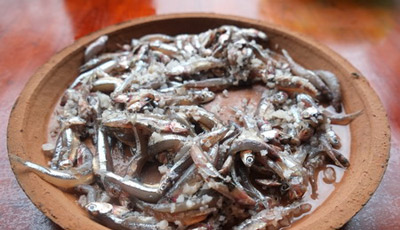
All fish sauce is produced when a diastatic enzyme in the guts of salted anchovies leaches out and begins to break the fish flesh down into a delicious protein-rich liquid. That liquid has both sustained and defined Vietnamese people for at least four centuries – so don’t turn your high nose up at it! Photo by Calvin Godfrey


Perhaps it’s the fate of foreigners everywhere to explain where they come from. But explaining one’s origins in Vietnam feels more like a job for the brainstem than the cortex. You see, I don’t speak Vietnamese so much as I know how to have half a conversation:


Yes, I can drive a motorbike and yes I have a Vietnamese girlfriend. No I’m not rich but I’m not poor. I live in a hotel and I have two brothers and I think my parents miss me, but I don’t know how much…


Some of these answers aren’t solicited. The most important thing to tell people is “yes, I can eat Vietnamese food.”


For a long time, I felt like this was an answer to a pretty silly question. Half the developed world is either looking for a good bowl of pho or watching an idiot eat one on television.


But this is a very recent development.


While a few oddball European missionaries and late colonial comers developed a taste for the cuisine during the last three hundred years, most turned up their “high” noses at it.


According to food historian Erica J. Peters, the French colons survived largely on baguettes and canned butter. Only the poorest among them deigned to eat the local cuisine, which adapted to accommodate their taste for beef and long-stewed soups.


The Americans were even worse.


In 1824 an American naval officer named John White conducted a study on Vietnam’s coastal commerce. In his 500-page doctoral dissertation on fish sauce, Kevin McIntyre included the Captain’s description of “fish pickle” as a “filthy, fetid, oily liquid…universally used by the natives as a condiment to all kinds of food.”


Peters described a 51-course feast in 1837 that Emperor Minh Mang ordered his servants to set up in the cabin of US Ambassador Edmund Roberts’ docked sloop. Roberts nibbled squeamishly on just a single dessert item, which he pronounced “very insipid and totally without seasoning.”


During the American occupation, I gather, food diplomacy wasn’t nearly as emphatic. Folks who can remember the American soldiers love to speculate as to just how much I love hamburgers.


Sure I do.


But a lot of these people make


It sound as though you keep a white man alive to a ripe old age in a terrarium merely with water and hamburgers.


I should note that even before arriving, the sitting US Ambassador professed his love of Vietnamese food in a hilariously stage-managed State Department video. Indeed, the whole world is now falling over itself to dig into authentic Vietnamese food as quickly as humanly possible—nowhere more so than the United States.


Few realize what a big deal this might be.


The fish sauce that Capt. White found so unpalatable almost 200 years ago, according to McIntyre, was the glue that gave Vietnamese people “a sense of social sticking, an intricate bond of sameness, an adhesive identity.”


In this way, eating and enjoying rice and fish sauce is something like taking a kind of communion—accepting the body and the blood of Vietnam.


While conducting research in Vietnam, the doctoral candidate quickly learned that his willingness to eat fish sauce earned him a kind of instant access.


During his quixotic journey of self-discovery in Catfish Mandala the Vietnamese American Andrew X. Pham validated his identity, again and again, as “tram phan tram nuoc mam”—one hundred percent fish sauce.


Sadly, however, this national treasure seems to have gotten away from the Vietnamese people. Most of the brands sold in the US as Vietnamese contain an undisclosed quantity of Thai product—a result of the two-decade embargo and diaspora. Perhaps worse than that, the integrity of locally produced fish sauce remains as questionable as most consumer goods.


In 2006, a retired software engineer named Cuong Pham returned to Vietnam and built a small waterfront factory in Phu Quoc.


Pham left Saigon on a boat as a teenager and wound up working at Apple when Steve Jobs was still broken. He’s spending his autumn years starting a small export-only brand called Red Boat. Like most processors on the island, he sells his final press off to large brands who blend it into low-quality material.


But he also bottles and sells year-old, first-press sauce that taste exactly like the essence of a fresh jar of Sicilian anchovies. Getting the operation off the ground was no easy feat.


The Chinese have been driving up the cost of dried black anchovies on the island. Logistics are tough. And it’s hard to know if Red Boat will make it.


But Pham is in it for the long haul. He’s built a small house on the grounds of his property and spends half the year welcoming celebrity chefs out to witness what’s brewing.


Tổng Thống Assad: Syria sẽ tự bảo vệ mình

DAMASCUS, Syria (AP) — Cơ quan thông tấn nhà nước Syria vừa loan bản tin theo đó Tổng Thống Bashar Assad tuyên bố Syria sẽ tự bảo vệ mình trước mọi đe dọa tấn công.


Tổng thống Syria Bashar Assad hôm thứ Năm 29 tháng Tám, tuyên bố rằng Syria sẽ tự bảo vệ mình chống lại bất kỳ sự xâm lược nào.  (Hình: AP Photo / Vahid Salemi, File)


Lời phát biểu của Assad hôm Thứ Năm được đưa ra vào lúc đang ngày càng có nhiều chỉ dấu cho thấy các cường quốc Tây Phương sắp có hành động quân sự để trừng phạt Syria, tiếp theo sau cáo buộc là chế độ Assad dùng võ khí hóa học tấn công dân chúng gần Damascus hồi tuần qua. Tổ chức Bác Sĩ Không Biên Giới (Doctors Without Borders) cho hay các cuộc tấn công này làm 355 người thiệt mạng.


Tổng Thống Barack Obama hôm Thứ Tư có lời tuyên bố cho thấy Mỹ đang chuẩn bị thi hành biện pháp trừng phạt bằng võ lực, khi cho hay ông đã “kết luận” rằng chế độ Assad mở cuộc tấn công và thế giới “cần phải cho thấy điều này sẽ có hậu quả.”


Hãng thông tấn SANA của nhà nước cho hay Assad nói với một phái đoàn của Yemen rằng “Syria sẽ tự bảo vệ mình chống lại mọi hành động tấn công.” (V.Giang)

Vietnam’s Fashion and Passion to be broadcast from Sept


The “Aquafina Fashion and Passion 2013” show concluded recently in Sai Gon and would be showing nationally on VTV9, Viet Nam television station, on Sept. 9, 2013 and every weeknight. The Colletion of Vietnam’s renowned designers: Huynh Hai Long and Dang the Huy, Ba Dung, Nguyen Duy Truong, Truong Thanh Hai and Hoang Minh Ha (Vietnamese Project Runway 2013 winner) will be on display. The show would also be introducing two new female designers LEK and Angel Phan from the Vietnamese fashion industry.

Read story from Fibre2fashion.

Việt Nam không thả tù chính trị nổi tiếng


HÀ NỘI (NV) –
Nhà cầm quyền CSVN loan báo thả hơn 15,000 tù nhân vào dịp kỷ niệm ngày 2-9 hàng năm, nhưng không thả các người tù nổi tiếng dù bị áp lực của quốc tế rất mạnh.


Linh mục Nguyễn Văn Lý, 67 tuổi, bị kết án 8 năm tù ngày 30/3/2007 vị bị vu cho tội “tuyên truyền chống nhà nước”. Dù ngài bị tai biến mạch máu não 3 lần và được Hoa Kỳ, Liên Âu vận động trả tự do do nhưng ngài vẫn bị tù. Tấm hình ngài bị tên Công an bịt mồm ở phiên xử kín ở Huế đã trở thành biểu tượng của tình trạng vi phạm nhân quyền trầm trọng tại Việt Nam. (Hình: AFP/Getty Images)
Đây là thông lệ hàng năm vào những dịp lễ lớn tuy gọi là “đặc xá” nhưng để giảm bớt số lượng tù nhân ngày một nhiều hơn, không đủ chỗ chứa dù chế độ Hà Nội đã phải xây thêm nhiều nhà tù.

Tù nhân tại các nhà tù tại Việt Nam đều phải nằm cài vào nhau, mỗi người được chia cho diện tích bề ngang 0.8 mét chỉ đủ đặt cái lưng xuồng nền xi măng.

Theo các tin tức về cuộc họp báo hôm Thứ Năm ở Hà Nội, có tổng cộng 15,523 tù nhân được “đặc xá” gồm cả 1,842 người là phụ nữ. Trong tù nhân được “đặc xá” thả ra trước thời hạn cho tổng cộng 15,446 người thì có “72 người đang được hoãn thi hành án phạt tù, 5 người đang được tạm đình chỉ án tù”.

Những người nổi tiếng luôn luôn nằm hàng đầu trong danh sách kêu gọi chế độ Hà Nội trả tự do như LM Nguyễn Văn Lý, TS Cù Huy Hà Vũ, nhà văn Nguyễn Xuân Nghĩa, Nguyễn Tiến Trung, Trần Huỳnh Duy Thức, Trần Anh Kim, Tạ Phong Tần, Điếu Cày, Phan Thanh Hải, 14 thanh niên Công Giáo, các giáo dân Cao Đài, Hòa hảo, những nhóm người Thượng đòi trả đất và tự do tôn giáo v.v…

Trong nhu cầu đổi chác lấy một ân huệ gì đó của nước ngoài thì chế độ Hà Nội mới giảm án tù cho một vài người nhưng lại bắt thêm nhiều người khác.

Các điều khoản của Luật Hình Sự CSVN quy chụp người dân “Tuyên truyền chống nhà nước” (điều 88), “Lợi dụng các quyền tự do dân chủ” (điều 258), “Phá hoại chính sách đoàn kết quốc gia” (điều 87) với lời lẽ mơ hồ, bị quốc tế lên án là đi ngược lại chính hiến pháp của chế độ cũng như các công ước quốc tế về quyền dân sự và chính trị.

Những người bị coi là “xâm phạm an ninh quốc gia” được thả ra dịp 2-9 này gồm có 2 người bị kết án làm gián điệp cho Trung quốc, và 2 người Thượng bị vu cho tội “phá hoại chính sách đoàn kết quốc gia”.

Những người đó gồm: Dương Đức Phong (sinh năm 1960 tại Hà Giang, giam tại nhà tù Nam Hà), bị tội gián điệp, “được đặc xá trước thời hạn 3 tháng 20 ngày”. Hoàng Hưng Quyền (sinh năm 1934 tại Hải Hà, Quảng Ninh, cũng bị giam ở nhà tù Nam Hà, cũng tội gián điệp, “được đặc xá trước thời hạn 4 tháng 7 ngày”.

Theo lời kể của một số tù chính trị, các tù gián điệp thường được cai tù sử dụng làm “ăng ten” theo dõi hành vi của tù chính trị để báo cáo, nhờ vậy được giảm án. Khi nhà văn Nguyễn Xuân Nghĩa và ông Phạm Văn Trội bị đưa từ nhà tù Nam Hà vào giam ở nhà tù số 6 thuộc huyện Thanh Chương tỉnh Nghệ An thì một số tù “gián điệp” cũng được chuyển theo để tiếp tục nhiệm vụ “ăng ten”.

Hai tù nhân Y Kõn Niê và Y Huông Niê (Đắk Lắk) bị vu cho tội “phá hoại chính sách đoàn kết quốc gia”, bị giam ở nhà tù Xuân Phước (tỉnh Phú Yên), “được đặc xá trước thời hạn (lần lượt) là 1 năm 10 tháng 7 ngày và 1 năm 9 tháng 12 ngày”.

Ngoài 4 người vừa kể, thông tin nêu ra trong cuộc họp báo còn nói có 16 người nước ngoài cũng được “đặc xá trong đợt này”, gồm 5 người Trung Quốc, 2 người Đài Loan (Trung Quốc), 4 người Campuchia, 2 người Malaysia, 1 người Mỹ, 1 người Bỉ và 1 người Úc.

Các chính phủ tây phương, các tổ chức nhân quyền quốc tế thường xuyên đòi chế độ Hà Nội trả tự do hết cho những người bị bắt tù chỉ vì người ta kêu gọi tự do dân chủ, đa nguyên đa đảng, tự do tôn giáo.

Chế độ nhà tù CSVN vô cùng hà khắc, thậm chí bất chấp quy định của chế độ, nên nhiều tù nhân đã tuyệt thực phản đối. Cuối Tháng Sáu sang đầu Tháng 7 vừa qua, khoảng 1,000 tù nhân nhà tù Xuân Lộc tỉnh Đồng Nai đã nổi loạn, phản đối việc bị đánh đập, cắt xén thức ăn của tù nhân.

Khi tù nhân phản đối điều gì, thay vì sửa đổi, nhà tù CSVN hiện nay vẫn còn trừng phạt tù nhân bằng cách biệt giam trong những căn phòng nhỏ không có cửa sổ, cùm chân hoặc có thể bị cùm cả chân và tay.

Một tù nhân tại nhà giam Xuân Lộc hồi năm 2011 đã viết đơn tố cáo cai tù ở đây đã cùm một tù nhân tên Quách Công Ninh, không cho uống nước, uống thuốc đến nỗi tù nhân này phải uống nước tiểu rồi chết sau 8 ngày bị “kỷ luật”. (TN)

US still leading importer of goods from Viet Nam


From WIRE REPORT


The US remained Viet Nam’s largest goods consumer, importing more than US$13 billion worth of goods over the past seven months (18 per cent of Viet Nam’s total export value), according to the Ministry of Industry and Trade’s Information Centre.


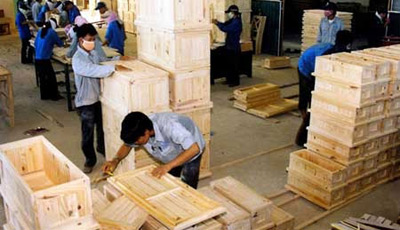
Workers produce wooden containers for export at the Thanh Son Wood Company in Ha Noi. Garments, footwear and wood were all major Vietnamese export items to the US, each posting over $1 billion in revenue.


Exports to the US had experienced a year-on-year increase of 17.2 per cent, the centre reported.


During the reviewed period, garments, footwear and wood were all major Vietnamese export items that had each posted over $1 billion in revenue.


Garments topped the export list, fetching $4.8 billion, up 15.5 per cent. Footwear came next with $1.4 billion, up 20.12 per cent, followed by timber products at $1.05 billion, a gain of 7.24 per cent.


Other items that also recorded significant export turnover included computers and electronics, seafood, machinery and equipment, vehicles and component, cashew nuts, and steel products.


Crude oil was the standout performer, registering growth of 111.11 per cent year-on-year despite recording modest export earnings of $357.6 million.


Statistics from the General Statistics Office showed Viet Nam’s exports to the US last year were 116 times higher than the same period in 1995, with average annual growth of 32 per cent.


Rising export turnover to the US would help meet this year’s target of $23 billion.


However, Viet Nam’s exports accounted for only 1 per cent of US imports, with the country ranking 40th out of nations with the greatest export values to the US.


Experts suggested domestic businesses should closely obey US market regulations and requirements to minimise the risk of being blocked by anti-dumping and anti-subsidy barriers.


Lý giải về những “nỗi sợ hãi”

GS. Alexander Lê Trung Cang


Mỗi người chúng ta dù nhiều hay ít, già hay trẻ, ai cũng từng bị những áp lực vô hình bên ngoài, bên trong gây ra bởi lo lắng, sợ hãi. Những mối lo sợ này được phát nguồn từ đâu? Có cách nào khắc phục?


Trong chúng ta, ít nhất một lần đều phải đối diện với nỗi sợ hãi. 


Sợ ma quỷ, sợ chết, sợ bị đau, sợ bị bệnh, sợ bị giam cầm, sợ bị hành hạ, sợ mất tự do, sợ buồn, sợ khổ, sợ nghèo, sợ đói, sợ bị thua, sợ bị cướp, sợ bị mất, sợ bị xấu hổ, sợ bị mất danh dự, sợ bị tủi nhục, sợ bị khinh thường, sợ bị chê bai, sợ bị bất công, sợ bị thiệt thòi, sợ bị lợi dụng, sợ bị bỏ rơi, sợ bị cô đơn, sợ bị thất lạc, sợ bị gạt, sợ bị phụ tình,…


Nỗi sợ hãi phát nguồn từ ba phạm vi: trong thiên nhiên; do con người trong xã hội tạo ra; và từ trong tâm tư của chính mỗi cá nhân. 


Hình minh hoạ. Nguồn: narcissedargenson.com


Những mối lo sợ từ sự ảo tưởng, sai lầm, đi ngược với thiên nhiên do chính cá nhân tạo ra là nguồn lo sợ khó khắc phục và khó giải tỏa nhất; bởi vì chính những cá nhân này đã vô tình tạo ra những áp lực vô hình, ẩn sâu, thầm kín trong tâm tư; đồng thời tự tiếp tục âm thầm bênh vực, che đậy, duy trì, và bảo vệ nó. Không cần phải nuôi dưỡng hoặc ấp ủ những nỗi lo sợ sai lầm này, vì trong tâm tư của mỗi người luôn mong muốn có được một cuộc sống xứng đáng, ý nghĩa; hoặc để trở thành những người con “trung thực” trong thế giới trần gian.


Chúng ta luôn muốn tranh đấu và tập sống xứng đáng vì ta “tự muốn” tranh đấu chớ không phải vì sợ, vì bị ép buộc mà phải đấu tranh trong cuộc sống. Vây, cần phải xây dựng và duy trì những gì để hội đủ điều kiện “được” tiếp tục tranh đấu và tiến đạt? Cần hiểu thấu những gì, để khắc phục những tâm trạng “lo sợ” sai lầm vô cớ làm cản trở, nguy hại và không cần thiết trong tâm tư?


Động lực thúc đẩy và khích lệ bởi sự thật của “nguyên lý sống xứng đáng” là động lực thật sự; có sức tự động tranh đấu chân chính, ý nghĩa và sâu sắc hơn cho tâm tư và tương lai dài lâu của mỗi cá nhân. Đây là nguồn động lực cần phải kết nhập vào trong tâm tư của chính mình, bởi chúng ta không muốn tiếp tục mãi mãi chịu đựng sống vất vả, dưới áp lực của những tâm trạng lo sợ vô hình và phi lý.


Từ những mãnh lực minh triết của nguyên lý sống xứng đáng này sẽ là sức mạnh tâm lý cho mỗi cá nhân thêm nhiều động lực hơn để dễ dàng nỗ lực tranh đấu, khắc phục, giải tỏa những mối lo sợ, những tâm bệnh để tự vĩnh viễn giải thoát mình ra khỏi vòng nhân quả, luân hồi và nghiệp chướng giới phàm tục.


Có những quyết định chủ động từ tâm huyết tự tình nguyện, tự ý thức, và chủ động từ bên trong tâm tư; không bị lệ thuộc, khích động, hoặc ảnh hưởng bởi tâm trạng “sợ”. Chẳng hạn như khi chúng ta cất bước đến một nơi nào đó, những quyết định bước đi tới, bước lùi, sang trái, sang phải, đứng lại, chờ đợi, nhanh hơn hoặc chậm hơn, chỉ vì: sự tự chủ động của mỗi cá nhân; vì đã thấy và ý thức được sự cần thiết; vì đã tự muốn tránh né, hoặc đi vòng qua những chướng ngại vật (bàn, ghế, chân tường, tảng đá, cột nhà, góc cây, xe hơi, con vật, hoặc bất cứ chướng ngại vật nào….)


Không phải vì bị ép buộc, thúc dục, cũng không phải vì nguyên do sợ hãi, hoặc bị đe doạ từ bên ngoài. Khi gặp những chướng ngại vật trước mắt, mỗi cá nhân đã tự thực hiện, bước tuỳ hướng, sử dụng khả năng tự nhận xét để ý thức được những nhu cầu chính đáng và cần thiết, để khỏi bị vấp ngã, để tránh né tai nạn; tránh bị tổn thương bởi mọi sự vật chung quanh, trên mọi hướng đi của mỗi cá nhân.


Không phải vì “sợ” hay “bị bắt buộc”, hoặc “áp lực”; không phải do sự miễn cưỡng từ cái sợ, bị ép buộc, hoặc bị đe dọa từ bên ngoài. Những bước đi trong cuộc sống của chúng ta đã có thể thực hiện một cách hữu hiệu từ sự: tự chủ động quyết định; tự thấy, tự nhận xét những gì trước mắt; tự nhận thức và tự ý thức rõ ràng những gì cần thiết và chính đáng cần phải làm; tự thi hành theo ý muốn của chính cá nhân; tự chủ quyền hành và tự nỗ lực, tùy theo sức lực của chính mình.


Có rất nhiều những sự việc trong cuộc sống của mỗi cá nhân đã được thực hiện hoàn tất một cách hiển nhiên và hữu hiệu; khởi nguồn từ những nguồn động lực tự ý thức từ bên trong của chính cá nhân đó, chớ không phải vì những áp lực lo sợ từ bên ngoài (hữu hình và vô hình). Chính sự tự ý thức từ bên trong đó đã gieo mầm và khơi tạo ra những áp lực, gây ảnh hưởng, xâm nhập, tích lũy sâu ẩn, và dài lâu bên trong tâm tư của mỗi cá nhân.


Mỗi người trong chúng ta hãy tự hỏi, những tâm trạng sợ, rụt rè, lo sợ, hoặc sợ hãi là những tâm trạng thật sự hay do “tự ảo tưởng”? Những cái sợ này có chính đáng, có nhất thiết cho chúng ta phải dồn sức mà nghĩ đến? Nếu phải lo sợ thì nên dừng mức độ nào?  


Thông thường, có những cái lo sợ “hữu hình”, thật sự tạo ra mối đe dọa từ bên ngoài cho cá nhân trong phạm vi năm giác quan. Chúng ta cần được lưu tâm thật nhiều để chuẩn bị, đề phòng và đối phó như: những con thú dữ nguy hiểm trong thiên nhiên; có những kẻ điên cuồng, tham lam, hung tợn, hoặc bạo tàn trong xã hội. 


Những mối lo sợ trên đã gây ra tâm trạng lưỡng lự, rụt rè, và miễn cưỡng trong tâm tư loài người. Muốn trực diện đương đầu với những “trường hợp” này một cách hữu hiệu, mỗi người cần phải biết rõ, đạt đúng trình độ, điều kiện và khả năng để đối phó. Mỗi cá nhân chỉ cần an tâm, không lo sợ nhiều, nhưng nhất thiết phải luôn tiếp tục duy trì bản năng: dè dặt hơn, thận trọng hơn, cảnh giác hơn, và chuẩn bị đối phó hữu hiệu hơn.


Đồng thời, để đạt được tâm thế “tạm an tâm”, mỗi cá nhân cần phải tự trau dồi sức mạnh nội tâm cao hơn để có sẵn những gì cần thiết, phòng bị đối phó tối đa khi phải trực diện đương đầu và đối phó hữu hiệu với những mối nguy nan và đe dọa trong thiên nhiên và thế giới loài người.


Ngoài ra, có những mối “lo sợ vô hình”, “ảo tưởng”, “mê tín dị đoan”, không khởi nguồn từ những sự kiện trong thiên nhiên, hoặc bởi những người bên ngoài; nhưng do sự khơi tạo và nảy sinh ra từ nội tâm của mỗi cá nhân. Những người này thường đang trong tình trạng u tối, hạn chế, yếu đuối; hoặc tự ảo tưởng, tự phóng đại những cái lo sợ. Họ đã vô tình tự tạo ra những mối lo sợ hão huyền, rồi tự duy trì, bảo vệ, và tiếp tục suy diễn như một mối lo sợ thật sự. Tương tự như chúng ta bị kích động sẽ tạo thành một thói quen, một khuynh hướng sai lầm vô cùng khó thay đổi. 


Chính đây là những những mối “lo sợ” thầm kín đáng sợ và khó giải thoát nhất cho chúng ta. Đó là những tình trạng đã “tự gây ra” nhiều trở ngại và nhiều khó khăn dài lâu cho những bước tiến cần thiết của chính mỗi cá nhân trong cuộc sống. Nếu đã không ý thức được sự sai lầm của chính mình, như một người mù không biết là mình đang mù thì không cách nào tự tạo điều kiện thay đổi được. 


Những mối lo sợ này phát nguồn từ những thái độ hoàn toàn thiếu đề giác, thiếu trách nhiệm và phi lý của chính cá nhân nhưng lại luôn đổ lỗi về hướng phạm vi “vô hình” (không thể xác định, chứng minh; đồng thời cũng không thể phủ nhận hoặc bác bỏ những gì hoàn toàn không thấy và không có). Khó khăn tương tự như phải tranh luận với một người điên, hoặc mất hết lý trí.


Môi trường sống, nguồn gốc gia đình, nơi sinh trưởng, và những người chung quanh là những hoàn cảnh, môi trường, và động lực đã khiến cá nhân tự tạo ra, tự duy trì, và tự tiếp diễn những mối lo sợ sai lầm, đau buồn vô cớ và phi lý trong tâm tư; nhưng chính những người trong cuộc ấy lại chủ quan cho rằng đây là những cái sợ chính đáng và xứng đáng để tranh đấu cho cuộc sống tương lai.


Trước khi đưa đến cái “sợ” của một sự kiện nào đó, mỗi cá nhân chúng ta đã tự khẳng định, tự quả quyết, tự cho rằng hậu quả của sự kiện phải thật sự là đúng, phải thật sự và không thể sai lầm như những gì mà chính mình đã tự âm thầm suy luận và kết luận trong tâm tư.    


Những nhân vật này cũng đã vô tình luôn tự vĩ đại, tự ví chính mình như một “nhà tiên tri” tài ba. Họ ví mình như một người có khả năng biết trước kết cục của nhiều sự kiện trong cuộc sống; và cũng đã luôn tự cho rằng mình hoàn toàn đúng chính xác. Và kế tiếp, nếu nghĩ đúng như những gì suy luận, họ cũng đã tự vững trong tâm rằng: đây là sự kiện “đáng sợ”, và nỗi lo sợ ấy là chính đáng.


Như vậy, họ đã tự hỗ trợ cho chính mình để đồng nhất, phù hợp, tương xứng, và để tránh không gây mâu thuẫn với sự suy luận và kết luận của chính mình. Trong giới chuyên gia Tâm lý học của Mỹ gọi đây là tệ trạng “fallacy of self-fulfill prophecy”, hay là “self-contradiction within self-fulfill prophecy”. Là những người đã tự tiên đoán sai lầm nhưng vẫn tin vào cái sai của mình như thật, tự diễn biến, tự hỗ trợ, tự bênh vực cái sai để thỏa mãn là mình đã đoán đúng.


Ngược lại, nếu những nhân vật này nghĩ rằng hoặc khiêm tốn cho rằng mình không đúng, chưa thật sự đúng trong những suy luận, họ sẽ giảm bớt quả quyết, giảm bớt khẳng định một phần nào đó. Đồng thời, họ cũng sẽ giảm sợ được phần nào.


Vì vậy, mỗi người luôn cần phải có những lý do chính đáng trong tâm của chính mình (dù đúng hay sai so với sự thật trong vũ trụ) để đưa đến sự tự quả quyết trong tâm trước khi thi hành một quyết định nào đó. Nếu hiểu thấu được trọn vẹn nguồn gốc, lý giải được những nỗi lo, sợ hãi do nội tâm của chính mình tạo ra, và biết cách giải tỏa một cách thỏa đáng, chúng ta sẽ đạt được nhiều an lành và bình thản hơn trong tâm tư.


Vietnam’s new internet decree: toothless repression

From WIRE REPORT

From the flurry of alarms filling space in Western media recently, one could be forgiven for thinking that the Vietnamese government has finally figured out how to suppress the dissident bloggers that torment it.

University students sit at an internet cafe surfing the web in Hanoi. The Vietnamese government recently released a new decree targeted at managing the internet. Photo from AAP.

The furore has been prompted by Decree-Law 72 on management of the internet, which the Hanoi regime published on 30 July this year. Attention has focused on a few lines in article 20 of the decree, which forbid bloggers or people who post to social media to ‘provide aggregated news’. The trouble is that’s probably not what the Vietnamese authorities intend, and in any case stopping their internet-savvy citizens from reposting or linking to news stories is almost certainly beyond their ability.

Foreigners tend to take reports of human rights violations in Vietnam at face value and out of context. That’s not surprising. Hanoi’s dogged effort to punish bloggers for ‘conducting propaganda against the Socialist Republic of Vietnam’ (article 88 of the Criminal Code), ‘carrying out activities aimed at overthrowing the people’s administration’ (article 79) or ‘abusing democratic freedoms’ (article 258) has conditioned foreign human rights advocates to assume the worst of motives and methods.

This time it’s not so simple. For the last quarter-century, Vietnam has been striving to adapt the ideological underpinnings of the Communist regime, a theory of ‘socialist law’ based on a Leninist Russian model, to suit its current objective of blending successfully into a global, capitalist economic system. This quest has led to a muddle of legislation that attempts to weld principles and rules appropriate to a growing economy and widening world-view to what’s left of the Marxist-Leninist ideology. There’s hardly a better example of this muddle than Decree-Law 72 which is mostly a repackaging of a 2008 instruction that sought to extend the principles of public media management in reaction to the increasing popularity of social media.

Take the decree’s article 6, for example. A fair number of Western commentators have been clucking about its ‘alarmingly vague’ and ‘chilling’ proscriptions against using the internet to oppose the State, damage national security or social order, foment regional, religious or ethnic discord, propagandise for war or terrorism, betray State secrets, slander, or publish depraved and obscene materials. That’s standard stuff in Vietnamese media management laws, lifted directly from the nation’s constitution. For dissident bloggers, it falls, almost, into the category of white noise.

There are three genuinely new and problematic elements in Decree 72.

First, the regime seeks to distinguish between different kinds of ‘electronic information sites’. Among other things, Decree 72 defines a ‘news aggregation site’ as ‘the website of an agency, organization, enterprise that provides news by extracting the exact, verbatim text from legal (or ‘legitimate’) sources, clearly citing the author or organization that is the source, and when it was published’. In contrast, says the decree, ‘an individual[’s] webpage is established by an individual or makes use of services provided by a social network to exchange information of a personal nature, [and] neither represents an organization or another individual nor provides aggregated news’.

After Reporters Sans Frontières (RSF) had blasted this passage as an effort by Hanoi to prohibit posters on blogs or social networks from sharing information copied from news sources, other western critics jumped on board. It took several days for Vietnam’s Information Ministry officials to enter a not guilty plea. ‘We [will] never ban people from sharing information or linking news from websites. It was totally misunderstood’, Nguyen Thanh Huyen, head of the ministry’s Online Information Section, told Reuters. ‘This is a normal decree which doesn’t go against any human right commitments’. The essential difference between ‘news aggregation sites’ and ‘individual webpages’ seems to be the obligation of the former, if registered in Vietnam, to deliver up data on users on the request of the government, which leads to the second innovation. Hanoi wants internet service providers to locate at least one server in Vietnam and provide data on users at the request of the authorities. Big international providers like Google, Yahoo, Facebook and eBay, united as the Asia Internet Coalition, seem unlikely to cooperate with this provision, arguing that it ‘will stifle innovation’. Nor need they cooperate as long as Vietnam’s 30 million internet users can get access to offshore servers simply by adjusting the DNS settings on their computers.

The third new idea, said by the Ministry of Information to be the main motive for revision of the internet management regulations, is that Vietnam needs to tighten up protection of intellectual property. In principle, the ministry is absolutely right: on and off-line, Vietnamese publishers blithely reprint whatever suits them, whether domestic content or foreign, sometimes with acknowledgement and often not.

On the near horizon is the Trans-Pacific Partnership, the ‘21st century trade agreement’ that the US is promoting. Hanoi dearly wants into the pact, but part of the admission fee is a credible commitment to protect other partners’ intellectual property. That’s a tall order. Particularly in the online realm, Vietnamese authorities are incapable of policing whether citations are full and accurate, let alone chasing down copyright infringers. It’s terra incognita for Vietnam’s courts.

When a server is offshore, Hanoi has scant leverage to compel ‘news aggregators’ or bloggers on Facebook to refrain from hoovering up and republishing the most interesting stories, whether they’re from the New York Times or a Vietnamese provincial newspaper.

The same difficulties arise with many other requirements laid down in the new decree, no less than with the 2008 circular. That’s a common problem with Vietnam’s laws and directives: they tend to be statements of principle that are unenforceable in general.

After the 2008 circular was issued, Vietnam’s leading blogs moved offshore. Most are now hosted by WordPress or Blogspot. Though still vulnerable to malicious hacking, these blogs are beyond the reach of Vietnam’s laws but well within the reach of Vietnamese readers.

So in the end, like so many Vietnamese laws and decrees, the controversial provisions of Decree 72 seem mostly hortatory, ideologically motivated and impossible to enforce in a systematic way.

In due course, another circular will likely specify fines that may be levied for violations of the new decree. However, if past is precedent, Decree 72 won’t make much difference. Hanoi already has plenty of punishments it can mete out to dissident bloggers when it chooses. Often it has stooped to prosecuting on trumped up charges of tax evasion when it doesn’t want to deploy heavier weaponry. On one pretext or another, by RSF’s count, it has put 35 online critics behind bars already this year. That explains why the new decree has triggered relatively few alarms in the Vietnamese blogosphere; at worst it seems no more threatening than the rest of Hanoi’s arsenal of thought repression.

Vietnam tourism should have people like Running Man


From WIRE REPORTS


Tourism expert Florian Sengstschmid said that the image of the “Running Man” makes international friends relating to Vietnam as the great land that is worth of exploring.


Running man Vu Xuan Tien


Mr. Florian Sengstschmid, an expert of the ESRT project (tourism capacity development in responsible ways with society and environment funded by the EU) expressed the impression of “Running Man” Vu Xuan Tien at the conference on Vietnam tourism brand positioning that took place early this week in Hanoi, with the participation of 200 domestic and foreign delegates.


“In Azerbaijan, I was impressed to see the national television broadcaster reported on the “Running Man.” The media of many countries also reported heavily on this character. I think the image of a Vietnamese boy running with passion will make the viewers think that Vietnam is a great place, with great people, and worth to be explored. Vietnam tourism should have such images and highlights,” the experts said.


Many participants said that Vietnam should choose a strong point to build the brand for, such as Ha Long.


Director General of the Vietnam National Administration of Tourism (VNAT) – Mr. Nguyen Van Tuan, said that the brand is particularly important in contributing to the competitiveness of tourism in Vietnam in the new development period. “Brand building has really been focused as the mission and the goal of Vietnam’s tourism development,” Tuan said.


Sengstschmid emphasized that branding is of great importance for the development of tourism and Vietnam tourism needs to have specific spotlights to attract more tourists, in particular the case of the “Running Man” Vu Xuan Tien.


After running after the bus of Arsenal FC in Hanoi, “Running Man” Vu Xuan Tien was invited by this club to the UK to watch football. His image was transmitted to 25 countries and received a lot of support.


Mr. Vu The Binh, Chairman of Vietnam Travel Association, wanted to focus on more specific tourism products. He said Vietnam has too many small and medium sized tourism businesses that cannot afford to make good brand and the unhealthy competition between them is rampant, affecting Vietnam’s tourism image.


Binh also noted a matter of concern of the country’s tourism industry – that is a loose affiliation of parties. He cited the case of Travel Life that abandoned 700 tourists in Thailand in June. “How could they bring 700 people traveling abroad but nobody knew? Then where were the authorities and the police?” Binh questioned.


Priced out: Silicon Valley’s most vulnerable face devastation from sequester cuts


BY SILICON VALLEY DE-BUG


SAN JOSE— Automatic spending cuts to certain federal programs, or sequester cuts, are now hitting Silicon Valley’s elderly, disabled and low-income families especially hard. In one of the costliest places to live in the nation, Section 8 tenants are seeing rents skyrocket as a result of the sequester, and many now face homelessness.


Some 17,000 tenants on the Federal Section 8 housing program in Santa Clara County recently received rent hikes of 10 percent or more due to the spending cuts triggered at the beginning of 2013 after elected officials could not reach an agreement on reducing the federal deficit. As a result, some families in Silicon Valley have received rent increases of $900 or more.

Fifty-seven percent of Section 8 voucher holders in Santa Clara County are seniors or disabled, and 61 percent are on fixed incomes. With no way to pay, many will find themselves homeless.

A group of affected tenants in Silicon Valley is calling for the government to immediately halt the sequester, and for allocation of adequate affordable housing funds to meet the needs of the American people. Local members of Congress have been invited to attend and receive the petitions of the tenants, who will be protesting the rent increases caused by the federal sequester at noon Thursday. Watch the video testimonies from some of the Section 8 tenants impacted by federal sequester cuts, produced by Silicon Valley De-Bug in collaboration with the Community Homeless Alliance Ministries.

Vets’ group sponsoring essay contest


From WIRE REPORT


  Students in the fourth through sixth grades who live in California’s Santa Clarita Valley are eligible to enter an essay contest about the importance of the Vietnam War in history. It’s part of a visit of the Traveling Vietnam Memorial Wall to the area, scheduled for Sept. 26-29.


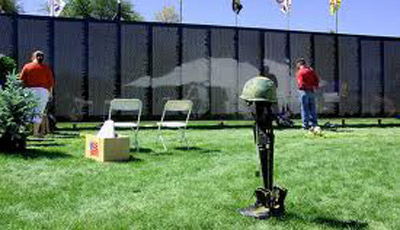
Traveling Vietnam Memorial Wall


 The wall, which is a replica of the war memorial in Washington, D.C., is scheduled to visit the Westfield Valencia Town Center.

 The Friendly Valley Veterans Club is using the visit as a learning tool for the local youngsters through its contest. All essays must answer the question, “Why was the Vietnam War important to America?”

 Submissions should be 500 to 700 words and typed, double-spaced on 8 1/2-by-11 inch paper. To enter, students should send their works to [email protected] or drop off their entries at libraries in in Santa Clarita, Stevenson Ranch, Castaic or Acton/Agua Dulce.

 Entry deadline is Sept. 9. The winning essays will be published in a local newspaper.

Vietnam’s leaders forge ahead with anti-social media plan


Despite public outcry and demands for reconsideration from other nations, Decree 72 in Vietnam is set to take effect on Sunday. The new law will make it illegal for the more than 30 million Vietnamese who use the Internet to spread news articles via their Facebook or Twitter accounts that opposes the government.

Read the full story by Patrick Goodenough of CNS News.


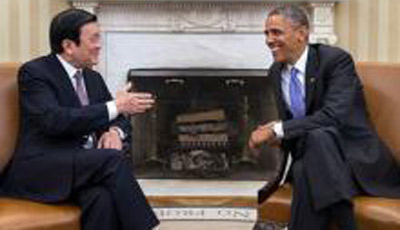
President Obama meets with Vietnamese President Truong Tan Sang in the Oval Office on July 25, 2013. (Official White House Photo by Pete Souza)

Coca-Cola pushes fruit juices in Vietnam

Recognizing the room for growth in the Vietnam beverage market, Coca-Cola is aiming to boost its efforts to sell fruit juices. The president of the international beverage giant reportedly recently proposed to invest $300 million and employ 500 Vietnamese workers in its fruit juice sector in the country.

Read the report from Byravee Iyer from Campaign Asia.


Juices represent a large opportunity in Vietnam

A welcome home: Vietnam vet gets free repairs from Home Depot


A New Jersey Vietnam veteran has a newly remodeled home, thanks to volunteers from Home Depot and a grant from Team Depot, a charitable arm of the company.

Read the full story by Brian Amaral of N.J.com


Jim Pietrefesa, a Vietnam War veteran who lives in South Brunswick, poses for a photograph outside of his Deans Lane home, which is getting a free renovation courtesy of Home Depot.

Vietnamese fantasy movie Lua Phat distributed in North America

From WIRE REPORT

Film distributors from the North American market have agreed to buy copyright of Vietnam’s first fantasy film Lua Phat (Once upon a time in Vietnam) by Vietnamese-American Dustin Nguyen.

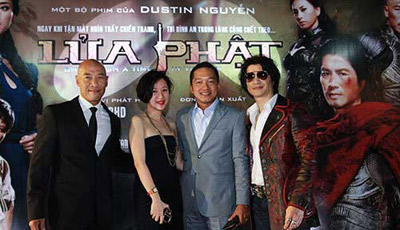
Hollywood action star/fight choreographer Roger Yuan (L) and director Dustin Nguyen (R) and invited guests at the movie premiere in Sai Gon last week.

Additionally, Nguyen is in the process of negotiating with numerous film distributors from New Zealand, Australia, Germany, South Korea, India and Thailand, according to BHD Co., Ltd.

The movie which hit local cinemas last week was created after five years by director/script-writer/leading actor Dustin Nguyen. It tells a story about Vietnam in an undefined time where the country is threatened by an enemy with warriors sacrificing their lives and love for peace.

“I’m excited with this news. I expected to bring this movie to audiences in Asian and European and American markets since the day I wrote the script. This is one of the successes for the Lua Phat movie-making team,” said Nguyen in a statement.

Previously, the film attracted around 6,000 people to join its special screenings on August 20-21, held before it was officially released.

The movie has the participation of Hollywood action actor/fight choreographer Roger Yuan (Shanghai Noon, Lethal Weapon 4 and Batman Begins) and local stars like Ngoc Diep, Thai Hoa, Hieu Hien and Phi Thanh Van.


Pole-dancing, skin- revealing actress faces penalty


From WIRE REPORT


The Hanoi Department of Culture and Tourism said that they will request its Sai Gon counterpart to look into and penalize singer/actress Angela Phuong Trinh for donning scanty outfit and performing erotic dances at a recent performance.


Singer Angela Phuong Trinh in a screenshot from her Aug 22 performance, during which she wore a ‘transparent’ jumpsuit and performed erotic dances.


Several photos of Trinh’s performance, which took place at a Hanoi bar on Aug 22, instantly spread online, sparking widespread public reactions.


At the performance, Trinh was wearing an extremely tight, short ‘transparent’ jumpsuit which revealed her underwear. Many online comments wrote that Trinh strongly reminds them of Chinese showbiz ‘sex bomb’ Gan Lulu, who started as an obscure actress and only became a sensation after her mother posted a video showing her naked in the shower, followed by a host of her erotic, nearly-nude photos.


That night, Trinh performed some local pop songs accompanied by erotic dances, including ones with a pole, and titillating lying postures.


According to To Van Dong, head of the Hanoi culture department, the Inspectorate is working with the bar, where Trinh performed that night, for holding the performance without notifying the culture department, and allowing sexually obscene acts to take place.


Dong added that as Trinh lives in Sai Gon, the Sai Gon culture department will work with her on her violations.


Soon after the images from Trinh’s performance went viral on the Internet, many expressed strong disapproval. Her show at another bar two days later was also canceled because of that.


Trinh later expressed regret on her personal page, claiming she hadn’t imagined that outfit could have looked so bad under the stage lights. However, many think that this was one of the singer’s ploys to grab attention.


Trinh, who played innocent, naughty teen girls in such television dramas as “Linh Lan Trang” (The white orchids) and hit “Ba me nhi” (The little mother) several years ago, has usually performed songs accompanied by sexually arousing dances in revealing costumes at local bars in recent years.


Some local singers and models, particularly female ones, including Thu Minh, Thai Ha and Minh Hang, were each fined some VND3.5 million (US$166), a penalty which many consider perfunctory only, for donning revealing costumes and performing erotic dances onstage. Repeat or serious offenders may not be issued new performing permits.


The Performing Arts Department recently instructed all cities and provinces to temporarily ban 22-year-old Le Thi Huyen Anh, or “Ba Tung” (Mrs. Tung), from performing nationwide, even in bars, due to her breast-flaunting acts and shocking statements on Facebook.

Volleyball coach teaches skills, intangibles


Alan Pham is going through what a number of high school and college coaches must at the launch of every season: figuring out where the on-field or on-court leadership will come from. He must teach them leadership skills as well as technique.

Read the story by Aaron Blankenship from This Week Community News.


Central Crossing’s Bolaji Oseni (10), Erin Scott (center), Devin Werner (8) and 2013 graduate Hannah Miller (19) watch the ball sail over their heads during a match last season. Oseni, Scott and Werner are among the top returnees for the Comets.

How ‘Iron Chef’ explains Vietnam: ‘Now that people have enough food to eat, they’re looking for great food to enjoy.’

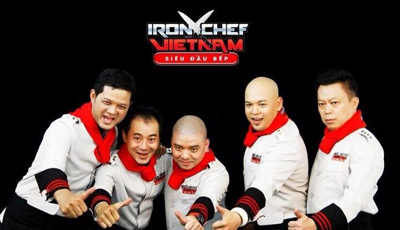
“Iron Chef Vietnam” is showcasing Vietnam as a food Mecca and reflecting its growing taste for the finer things in life. “People are getting more affluent. They have more leisure time and interest in luxury goods and lifestyles,” Chef Nguyen Van Tu said.

Read the story about the growth of the food sector in Vietnam by Elisabeth Rosen of The Atlantic.

Asian American group targets immigration bill


Concerned about the U.S. Senate’s passage of the 2013 immigration bill, a group has mobilized seeking opposition. The Asian Americans Advancing Justice wants people to call the congressional representatives to voice their disapproval. A sticking point: a section that would keep relatives of citizens over age 31 from immigrating.

Read the full story by Elizabeth Lee from Voice of America.

Tin mới cập nhật