SỰ TĨNH LẶNG CỦA OLD TOWN

(1)-970

Phố cổ ( Old Town) San Diego chính là “nơi sinh” ra California. Lịch sử đã chứng minh sự hiện hữu của nhịp sống đầu tiên ở đây vào năm 1769. Cha Junipero Serra đến thiết lập nhiệm vụ đầu tiên trong một chuỗi của 21 cơ quan đại diện được cho là nền tảng của chế độ thực dân của California.Nhiệm vụ cha Serra và Presidio được xây dựng trên một sườn đồi nhìn ra những gì hiện đang được gọi là Old Town San Diego. Dưới chân đồi vào năm 1820, một cộng đồng nhỏ của Mexico tòa nhà adobe được thành lập và năm 1835 đã đạt được trạng thái của El Pueblo de San Diego…

Cuộc sống tĩnh lặng từ thưở xa xưa đó vẫn cho tôi một cảm giác cho đến tận hôm nay… Qua ống kính và cảm xúc, tôi mong được mời bạn cùng chia sẻ hơi thở ký ức đó qua ánh sáng những ô cửa sổ, tôi đã bắt gặp trong dịp đến thăm bảo tàng ở Old Town San Diego.
( Phóng sự ảnh của Dân Huỳnh /Người Việt )

(2)-970(3)-970(4)-970(5)-970(6)-970(7)-970(8)-970(9)-970(10)-970(11)-970(12)-970

Xăm bản đồ Việt Nam lên lưng bày tỏ lòng yêu nước


LÂM ĐỒNG (NV) –
Một thanh niên 28 tuổi, cư dân tỉnh Lâm Đồng đã thuê thợ xăm lên lưng mình hình bản đồ Việt Nam với hai quần đảo Hoàng Sa và Trường Sa, bày tỏ lòng yêu nước.


Tấm bản đồ Việt Nam được xăm trên lưng một thanh niên người Lâm Đồng. (Hình: báo Người Lao động)


Khi “trình làng” tấm bản đồ Việt Nam hình cong như chữ S trên lưng, thanh niên này tuyên bố: “Tôi xăm hình không phải để làm đẹp, hay chạy theo mốt như nhiều người khác.” Ông tự nhận là một người yêu nước và “muốn truyền cảm hứng yêu nước đến tất cả mọi người – nhất là giới trẻ.”


Theo báo Người Lao động, thanh niên nói trên là Trần Văn Chúc, ngụ tại thị trấn Lộc Thắng, huyện Bảo Lâm, tỉnh Lâm Đồng. Ông cho biết. đã mất ròng rã hai ngày một đêm nằm yên, cắn răng chịu đau để người thợ xăm thực hiện tấm bản đồ Việt Nam với “đầy đủ biển đảo quê hương.”


Cũng theo báo Người Lao động, tấm bản đồ hình xăm được phác họa bằng những đường nét tinh xảo, và khá chính xác so với thực tế. Bề mặt miền Bắc trên bản đồ hình xăm được thể hiện bằng hình trống đồng.


Ông Trần Văn Chúc cũng cho biết thêm, trong lòng ông đã bị thôi thúc bởi ý tưởng phải vẽ tấm bản đồ bằng hình xăm trên lưng của mình từ nhiều năm nay. Tuy nhiên, mãi đến nay thì ông mới thực hiện được ý định.


Ông Chúc còn cho rằng điều khiến ông hoài vọng nhất là bản đồ hình xăm trên lưng có cả Hoàng Sa và Trường Sa, hai quần đảo đang bị Trung Quốc chiếm đóng.(PL)
 

Người đi trên mây (Kỳ 3)

Kỳ 3

Chỉ có chừng này thôi sao? Ðổi một buổi tối họp mặt bạn bè chỉ để nhìn ngó chừng này con người xa lạ, và uống một ly rượu?

Rượu, ở đâu mà chả có. Vả lại tôi đâu phải là bợm nhậu. Tôi uống kém nếu không muốn nói là tồi, dưới mức trung bình.

Ký vẫn gọi tôi là tên phá mồi. Nhưng, thiếu một thằng phá mồi trong một bữa nhậu cũng coi như là vắng một thằng nhậu…

Tuy vậy, tôi không phải thất vọng lâu. Ở cuối phòng, tôi thấy một khuôn mặt dễ thương, hai con mắt đen, tóc chải cao để lộ một chiếc trán bướng, áo màu tím sẫm, cổ hở rộng, giữa ngực là một chuỗi hạt lấp lánh trên một làn da trắng muốt… Vây quanh cô gái là các cậu trai ăn mặc như các công tử…

Người thiếu nữ nói, và sau mỗi câu nói của cô tôi nghe rộ lên những tiếng cười. Tôi không biết cô nói gì, nhưng rõ ràng là cô đang được tán thưởng. Sắc đẹp dù ở đâu cũng được tán thưởng (!).

-Xin lỗi giáo sư. Tôi tìm ông mãi!

Người nhà ông Phan chụp lấy tôi, mừng rỡ như tìm được món đồ tưởng đã mất.

-Cụ Phan muốn nói chuyện với giáo sư.

-Ngay bây giờ?” Tôi hỏi.

Hắn đưa tay dẫn đường

-Thưa giáo sư, lối này ạ!

Tôi khó chịu khi nghe ai gọi mình là giáo sư. Danh xưng ấy không hợp với tôi trên nhiều phương diện. Tôi dạy học bởi vì tôi không có khả năng chọn một nghề nào khác như lòng tôi mơ ước, chứ không phải vì tôi có thiên chức của một nhà giáo. Tôi nộp đơn vào binh chủng không quân ngay khi vừa đậu Tú Tài hai, nhưng mẹ tôi đã than khóc trì kéo. Bà nói nhà có hai đứa con trai. Thằng anh mày đi Biệt Ðộng Quân cũng đủ rồi. Mày phải ở nhà. Tao muốn mày học bác sĩ. Tôi vâng lời mẹ ghi danh theo học y khoa và tôi thất bại. Nghề đó không dính gì đến tôi. Tôi đậu vào Quốc Gia Hành Chánh và tôi đã bỏ nó ngay sau tuần lễ đầu. Tôi học Sư Phạm bởi vì một lẽ giản dị Ðà Lạt là một thành phố đẹp. Và một phần cũng vì cái học bổng ở đó tôi có thể tự nuôi thân tôi mà không làm phiền lụy ai.

Ði theo anh ta đến cuối phòng, ngang qua chỗ cô gái, tôi thấy hình như họ đang chơi một trò chơi gì đó. Cô gái chỉ tay vào mặt một cậu trai hỏi:

-Sẽ làm gì nếu tôi nói ghét anh?

Cậu trai do dự rồi đáp:

-Ðớp ngay hai tô phở!

Thiếu nữ phá lên cười và cả đám vỗ tay cười theo. Người nhà ông Phan mở cánh cửa nhỏ đưa tôi vào căn buồng, với tay bật nút điện. Sau đó anh ta nghiêng đầu chào tôi, rồi bước lui, nhẹ nhàng khép cửa bỏ lại tôi một mình.

Phòng giống như một thư viện loại bỏ túi. Hai bức họa khá lớn chiếm gần hết một mảng tường. Một tấm sơn dầu thuộc loại sao lại, là tác phẩm Tự Họa của Van Gogh, còn bức kia là của họa sư Utamoro Kitagawa vẽ hai diễn viên Kabuki. Phần còn lại là những kệ sách cao. Nhưng những cuốn ngang tầm mắt mà tôi có thể đọc được là Hồi Ký của Winston Churchill, Charles de Gaulle, André Malraux… Và ngay kệ dưới là Sứ Quân của Niccolo Machiavelli, Cuộc Chiến Ðấu Của Tôi của Adolf Hitler, Tư Bản Luận của Karl Marx, Dân Sự Bất Phục Tùng của Henry David Thoreau,…

Thật tình mà nói loại sách này tôi đọc chỉ là vì nghề nghiệp chứ không phải là ưa thích. Trong tủ sách tôi có một chỗ trang trọng dành cho Chùa Ðàn của Nguyễn Tuân, Thác Ðổ Sau Nhà của Võ Phiến, Bếp Lửa của Thanh Tâm Tuyền, Dòng Sông Ðịnh Mệnh của Doãn Quốc Sỹ, Những Vì Sao của Alphonse Daudet, Bà Bovary của Gustave Flaubert… nhưng thiếu chỗ cho Hữu Thể và Hư Vô của Jean-Paul Sartre, hoặc Siêu Hình Học Là Gì? của Martin Heidegger, hoặc Triết Lý Ðã Ði Về Ðâu? của Trần Ðức Thảo…

Việt Nam tham dự tập trận quốc tế lần đầu


SENTUL, Indonesia 10-9 (NV) –
Việt Nam đã gửi một nhóm quân nhân tham gia cuộc tập trận quốc tế chống khủng bố, diễn ra tại Trung tâm Hòa bình và An ninh Quốc tế, ở thành phố Sentul trên đảo Java  của Indonesia.


Các thành viên thuộc lực lượng đặc biệt của Indonesia bắt giữ một “phần tử khủng bố” trong cuộc tập trận đa quốc gia đầu tiên về chống khủng bố trên thế giới. (Hình: AP)

Khu vực sử dụng cho cuộc tập trận này đã bắt đầu hôm 9 tháng 9 và sẽ kết thúc vào ngày 13 tháng 9 nằm ở ngoại ô thủ đô Jakarta . Ngoài các nhóm quân nhân của các quốc gia trong khối ASEAN, tham gia cuộc tập trận này còn có các nhóm quân nhân của Hoa Kỳ, Úc, Tân Tây Lan, Ấn Độ, Nam Hàn, Trung Quốc. Nga và Nhật chỉ gửi quan sát viên, không góp quân nhân tham gia tập trận.

Tư lệnh quân đội Indonesia, tướng Moeldoko nói trong bài diễn văn khai mạc rằng sự nguy hiểm của nạn khủng bố đã gia tăng theo với các phát triển của khoa học và kỹ thuật.

Tờ Quân đội nhân dân của Việt Nam cho biết, tình huống giả định cho cuộc tập trận chống khủng bố lần này là sự kiện một tàu chở dầu bị các phần tử khủng bố tấn công bằng bom.

Cuộc tập trận vừa kể được xem là cuộc tập trận đa quốc gia đầu tiên trên thế giới trong lĩnh vực chống khủng bố do Indonesia và Hoa Kỳ đồng chủ trì. Theo dự kiến, các cuộc tập trận tương tự sẽ được tổ chức ở Úc và Singapore.

Trong diễn văn khai mạc, Tư lệnh các lực lượng vũ trang của Indonesia, nhấn mạnh, các nhóm khủng bố đang chuyển sang những hình thức hoạt động mới, khó nhận dạng hơn và vì vậy rất cần cơ chế hợp tác toàn diện để bảo đảm hòa bình, an ninh và thịnh vượng của người dân trong khu vực.

Giới quan sát thời sự chú ý tới Việt Nam vì đây là lần đầu tiên Việt Nam gửi quân nhân tham gia một cuộc tập trận đa quốc gia bên ngoài Việt Nam.

Tuy là thành viên ASEAN nhưng Việt Nam chưa bao giờ gửi quân nhân tham gia các cuộc tập trận chung của các quốc gia trong khối này, như cuộc tập trận “Hổ Mang Vàng” hàng năm ở Thái Lan, “Angkor Sentinel” ở Campuchia.

Đã có vài lần, các viên chức lãnh đạo Bộ Quốc Phòng CSVN từng cả quyết sẽ “không tham gia tập trận quốc tế” dù chỉ ở mức độ “quan sát viên”.

Kể từ khi các tranh chấp về chủ quyền trên Biển Đông trở thành căng thẳng, Hà Nội bắt đầu gửi quan sát viên tham dự các cuộc tập trận quốc tế mà thường là “phi tác chiến” và tham gia một vài hoạt động “phối hợp” với lực lượng vũ trang của một vài quốc gia, tuy nhiên phạm vi “phối hợp” vẫn là “phi tác chiến”.

Chẳng hạn, vào tháng 6 vừa qua, lần đầu tiên, Cảnh sát biển của Việt Nam phối hợp với Cảnh sát biển của Nam Hàn, thực tập cùng cứu nạn ở ngoài khơi Vũng Tàu với tình huống giả định là có một tàu bị cháy và bốn người trên tàu phải nhảy xuống nước, nên cần được cứu.

Trước đó một tháng (tháng 5 năm 2013), Cảnh sát biển của Việt Nam phối hợp với Bộ Ngoại giao Hoa Kỳ đồng chủ trì một “khóa tập huấn đa phương”, diễn ra trong hai tuần ở Hải Phòng, nhằm “cải thiện năng lực thực thi pháp luật và phối hợp trên biển” cho 24 sĩ quan thực thi pháp luật của Việt Nam, Campuchia, Thái, Malaysia khi đối phó với những mối đe dọa trên biển như đánh bắt hải sản trái phép, cướp biển.

Xa hơn, hồi tháng 7 năm ngoái, Việt Nam cử sáu sĩ quan “quan sát diễn tập quân y” (y học biển, y học hàng không, chuyển thương đường không, tìm kiếm cứu nạn trên biển), trong cuộc tập trận Rimpac 2012, diễn ra ở Hawaii, do Hải quân Hoa Kỳ tổ chức, với sự tham gia của quân nhân 22 quốc gia. (G.Đ.)


Các tôn giáo lên án nhà cầm quyền Nghệ An


VINH 10-9 (NV) –
 Nhà cầm quyền tỉnh Nghệ An đã hành xử lật lọng và tàn bạo trong vụ Giáo xứ Mỹ Yên, Giáo phận Vinh.


Buổi cầu an cho Giáo xứ Mỹ Yên (Công giáo) do Phật giáo Hòa Hảo tổ chức ở Đồng Tháp. (Hình: Nhóm Phóng viên Phật giáo Hòa Hảo)

Đó là nội dung chính trong Bản lên tiếng của đại diện Công giáo, Tin Lành, Cao Đài và Phật giáo Hòa Hảo ở Việt Nam về những diễn biến liên quan tới Giáo xứ Mỹ Yên, Giáo phận Vinh và nhà cầm quyền tỉnh Nghệ An.

Bản lên tiếng này vừa được phát hành hôm 10 tháng 9. Trong bản lên tiếng, đại diện các tôn giáo chỉ trích nhà cầm quyền tỉnh Nghệ An thiếu thiện chí giải quyết vụ việc ngay từ đầu và khiến hậu quả trở thành nghiêm trọng vì cố tình muốn trả thù giáo dân.

Vụ Mỹ Yên, Nghệ An khởi đầu từ cuối tháng 5. Hôm 22 tháng 5, giáo dân của giáo xứ Mỹ Yên đã bắt ba người đàn ông mặc thường phục, khi cả ba vô cớ gây khó khăn cho những giáo dân về Linh địa Trại Gáo dự lễ. Lúc bị bắt, cả ba người đàn ông này mới thú nhận họ là sĩ quan an ninh của Công an tỉnh Nghệ An. Vì không thể giải cứu ba sĩ quan an ninh, Công an tỉnh Nghệ An đã nhờ Tòa Giám mục Xã Đoài can thiệp với giáo dân.

Khoảng một tháng sau sự kiện 22 tháng 5, có hai giáo dân của Giáo xứ Mỹ Yên là ông Ngô Văn Khởi và ông Nguyễn Văn Hải đột nhiên mất tích. Cuối cùng, Công an tỉnh Nghệ An mới xác nhận đang giam giữ hai ông này và đã khởi tố cả hai về tội “gây rối trật tự công cộng”.

Cũng vì vậy, giáo dân Giáo xứ Mỹ Yên đã phản đối kịch liệt việc bắt người trái pháp luật. Sau đó, có những dấu hiệu cho thấy, nhà cầm quyền đã dàn dựng chuyện ném đá vào lực lượng vũ trang để thẳng tay đàn áp.

Trong Bản lên tiếng, đại diện Công giáo, Tin Lành, Cao Đài, Phật Giáo Hòa Hảo còn lên án hệ thống truyền thông Việt Nam, đặc biệt là báo Nghệ an và Đài Phát thanh – truyền hình tỉnh này đã “thông tin sai sự thật”, nhằm “đầu độc công luận” về vụ Mỹ Yên.
 
Riêng về lĩnh vực truyền thông, Tòa Giám mục Xã Đoài, Giáo phận Vinh, đã từng gửi một thư cho báo Nghệ An, phản đối tờ báo này xuyên tạc sự thật về vụ Mỹ Yên. Sau đó, tờ báo này đưa lên Internet một bài trả lời, khẳng định những thông tin mà họ đã đăng là “hoàn toàn chính xác, đúng sự thật”, nên “không có nghĩa vụ đính chính”.

Trả lời VOA, Giám mục Nguyễn Thái Hợp, người trông coi Giáo phận Vinh, nhận định, những cáo buộc của chính quyền về vụ bạo động ở giáo xứ Mỹ Yên hôm 4 tháng 9 đã “sai lệch và phản sự thật một cách trắng trợn”.

Vị giám mục này nói rằng, ở thời điểm hiện nay mà chính quyền vẫn tiếp tục thông tin theo kiểu như vậy thì thật đáng buồn. Sự đáng buồn đó dành cho những người chỉ muốn dùng bạo lực để đối thoại và dùng dối trá để thanh minh.

Giám mục Nguyễn Thái Hợp nói thêm rằng, Giáo phận Vinh sẽ tiếp tục công bố các bằng chứng để bảo vệ sự thật.

Bất kể hệ thống truyền thông Việt Nam nói chung và Nghệ An nói riêng đang gia tăng chỉ trích và đưa ra những lời hăm dọa nhằm trực tiếp vào mình trong vài ngày qua, Giám mục phụ trách Giáo phận Vinh vẫn khẳng định, chính quyền đã dàn dựng vụ bạo động để lừa gạt các nạn nhân và dân chúng.

Giáo dân được mời đến để đón người thân lúc chính quyền đã dàn trận xong. Giáo dân chỉ có tay không còn lực lượng vũ trang thì trang bị đầy đủ. Giáo dân đã hết sức ngạc nhiên khi có những kẻ lạ mặt xuất hiện, nhập đoàn, rồi ném đá vào lực lượng vũ trang để lực lượng này tràn tới đàn áp.

Giám mục Nguyễn Thái Hợp nhấn mạnh, vụ Mỹ Yên là một vụ đàn áp tôn giáo, vi phạm nhân phẩm, nhân quyền của người dân, cần lên án, ông sẽ làm mọi việc để quyền lợi và nhân phẩm của người dân được bảo vệ, tôn trọng.

Lúc này, không chỉ có các giáo xứ Công giáo ở Việt Nam tổ chức cầu nguyện cho công lý và cho các nạn nhân trong vụ Mỹ Yên, một vài nguồn tin cho biết, khoảng 100 chức sắc và tín đồ Phật giáo Hòa Hảo ở Sài Gòn, Vĩnh Long, Cần Thơ, Đồng Tháp, An Giang đã về huyện Lại Vung, tỉnh Đồng Tháp, tham dự một buổi hiệp thông cầu an cho giáo xứ Mỹ Yên sớm vượt qua cơn pháp nạn.

Ông Bùi Văn Luốt, Hội trưởng Phật giáo Hòa Hảo tỉnh Vĩnh Long, giải thích, sở dĩ  Phật giáo Hòa Hảo tổ chức lễ cầu an này là vì: “Chúng ta cần phải đoàn kết để lên tiếng phản đối nhà cầm quyền Việt Nam trấn áp tôn giáo như hiện nay”. (G.Đ.)

Nhật tính đưa công chức ra đảo tranh chấp

TOKYO (NYT) — Nhật sẽ không loại bỏ khả năng đưa công chức ra các đảo đang có tranh chấp với Trung Quốc, theo một bộ trưởng Nhật hôm Thứ Ba, trong lúc một hải đội Trung Quốc đang tiến vào hải phận này.


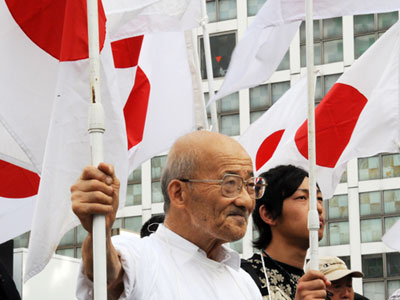
Hai nhà đấu tranh Nhật Bản dương cao quốc kỳ và biểu ngữ trong một cuộc biểu tình về vấn đề quần đảo Senkaku, được gọi là đảo Điếu Ngư ở Trung Quốc, tại Tokyo vào ngày 18 tháng Chín năm 2012. Cuộc đối đầu về các đảo không người ở tại vùng Biển Đông Trung Quốc này khiến mối quan hệ giữa hai quốc gia ngày càng căng thẳng. (Hình: Rie Ishii / AFP / GettyImages)
Cuộc đối đầu về các đảo không người ở tại vùng Biển Đông Trung Quốc, phía Nhật gọi là Senkaku và Trung Quốc gọi là Diaoyu, đã làm mối quan  hệ giữa hai quốc gia căng thẳng trong thời gian qua.

Hôm Thứ Ba, có bảy tàu tuần duyên Trung Quốc tiến vào vùng biển có tranh chấp, hành động mới nhất của nhiều vụ xâm nhập thời gian qua, theo giới chức Tuần Duyên Nhật.

Một ngày trước đó, phía Nhật phác giác một phi cơ không người lái ở khu vực các đảo này và đưa phi cơ lên nghênh cản. Nhật không nói rõ chiếc phi cơ này là của ai nhưng đã liên lạc với phía Trung Quốc, theo giới chức chính quyền Tokyo.

Tổng Thư Kỳ Nội Các Nhật, ông Yoshihide Suga, cho báo chí hay tại Tokyo rằng quốc gia này sẵn sàng có “biện pháp đối phó bình tĩnh nhưng cương quyết để bảo vệ lãnh thổ.”

“Quốc gia chúng tôi sẽ không bao giờ nhượng bộ về chủ quyền,” ông Suga cho hay.

Trả lời câu hỏi của một phóng viên, ông Suga cho hay việc đưa công chức ra đảo là một giải pháp đang được nghỉ tới. (V.Giang)


Bill Gates, 5 khoa học gia đoạt các giải thưởng Y Khoa Lasker

NEW YORK (AP) – Hai khoa học gia tìm ra cách các tế bào não truyền đạt dữ kiện với nhau, ba nhà nghiên cứu hoàn thiện việc cấy ghép để giúp người điếc nghe được và hai nhà từ thiện Bill và Melinda Gates đã được trao giải thưởng y khoa cao quý Lasker Awards về nghiên cứu y học và đóng góp vào nền y tế đại chúng.


Bill Gates, Chủ tịch hội đồng quản trị của Microsoft và đồng chủ tịch của Quỹ Bill & Melinda Gates Foundation, lắng nghe tại Hội nghị thượng đỉnh tài chính 2013 tại khán phòng Mellon 07 tháng Năm 2013 tại Washington, DC. Hai vợ chồng ông Gates vừa đoạt giải Lasker Award vì những hoạt động có tính cách từ thiện công ích của họ. (Hình:  BRENDAN SMIALOWSKI / AFP / Getty Images)


Tổ chức Albert and Mary Lasker Foundation hôm Thứ Hai loan báo tên những người được chọn để trao giải thưởng trị giá khoảng $250,000. Buổi lễ trao giải sẽ được tổ chức tại thành phố New York City vào ngày 20 Tháng Chín này.


Hai vợ chồng ông Gates đoạt giải Lasker Award vì những hoạt động có tính cách công ích của họ, “đưa đến sự thay đổi lịch sử trong cách chúng ta nhìn về những vấn đề y tế quan trọng nhất của thế giới và ảnh hưởng tới đời sống của hàng triệu người,” theo tổ chức Lasker.


Hai vợ chồng ông Gates đã tặng hơn $26 tỉ cho cơ quan từ thiện của họ và thường xuyên cộng tác với các cơ quan khác có khả năng chuyên môn trên nhiều lãnh vực.


Giáo sư Graeme Clark thuộc đại học University of Melbourne, Úc; Ingeborg Hochmair thuộc công ty MED-EL ở Innsbruck, Áo và Blake Wilson thuộc đại học Duke University ở North Carolina, Mỹ, được trao giải nghiên cứu y khoa do tìm ra cách ghép ốc tai (cochlear) giúp người điếc có thể nghe được.


Giải Lasker về nghiên cứu y khoa căn bản được trao cho Richard Scheller ở công ty Greentech và Thomas Sudhof ở đại học Stanford University do tìm ra cách các tế bào não truyền đạt dữ kiện với nhau. (V.Giang)


Vietnam tennis players compete in Davis Cup 2013


From VietNamNet Bridge


A five member Vietnam tennis team left Hanoi on September 8 for the 2013 Davis Cup tournament, the premier international team event in men’s tennis, taking place in the United Arab Emirates from September 11-15.


Five Vietnam players namely Do Minh Quan, Le Quoc Khanh, Nguyen Hoang Thien, Pham Minh Tuan, and Tran Hoang Anh Khoa are to compete in the Asia/Oceania Zone Group III against Cambodia, Hong Kong (China), Iran, Malaysia, Oman, Pacific Oceania, and hosts UAE.

The teams are divided into two pools to play in a round-robin format. The top two teams in each table will progress to a new ‘promotion’ pool and the two best teams from this pool are promoted to Asia/Oceania Zone Group II for 2014.

Meanwhile, the bottom two nations in each table are also placed in a new ‘relegation’ pool and the worst two teams in this table are relegated to Asia/Oceania Zone Group IV for 2014.

Defending champs begin campaign with stalemate

Title holders Viet Nam made a sluggish start to their campaign in the Southeast Asian Women’s Football Championship with a goalless draw against Thailand.

The opening match in Group A, held at the Thuwunna Stadium in Yangoon, Myanmar, promised much but delivered little.

Group A has been labelled the ‘Group of Death’ as it features regional giants Australia. Only the top two teams will advance to the semi-finals.

Viet Nam came out on top last year after defeating Myanmar 4-3 in a penalty shootout in the final in Sai Gon.

Xiangqi masters to compete in Can Tho

The National Xiangqi (Chinese chess) Team Championships will take place in Can Tho City from October 4-14.

Cities and provinces are allowed to send one men’s and one women’s team – each comprised of five athletes – to the annual tournament.

Masters will compete in classic and blitz events. Athletes who rank from 1st to 32nd place on the men’s side and 1st to 16th on the women’s will qualify to take part in the National Xiangqi First Division Championships next year.

Sai Gon lead fin-swimming tournament in capital

Sai Gon notched a blistering lead with two records, three gold, one silver and one bronze medal at the National Fin-swimming Championships in Ha Noi.

In second place, Thanh Hoa followed with one record, two golds, one silver and one bronze; while hosts Ha Noi were third with one gold, three silvers and two bronzes.

Nguyen Thanh Loc nabbed the first record for Sai Gon in the 100m men’s surface singles; with a time of 36.47sec, or 0.06sec faster than the previous record. He later claimed another record with teammates in the 400m men’s team bifins, beating the old record by 1sec at 3:04.75.

Nguyen Van Long made Thanh Hoa’s record in the men’s 800m surface category with a time of 6:14.70.

The event attracted 132 athletes from 18 teams will end tomorrow.

Port city to host national aerobics event

The 2013 National Aerobic Championship will take place in the port city of Hai Phong from tomorrow until next Monday.

The championship includes two categories, including 18 years and above and another division for athletes between the ages of 15-17.

Each province and city can send two male athletes, two female, two mixed doubles teams, a group of three and two groups of five.

Syria chấp nhận đề nghị kiểm soát võ khí hóa học của Nga

MOSCOW (AP) — Syria hôm Thứ Ba cho hay đã chấp nhận đề nghị của Nga là để quốc tế kiểm soát võ khí hóa học của mình trong khi chờ đợi được phá hủy.


Ngoại trưởng Syria, ông Walid Moallem phát biểu tại Đại hội đồng Liên Hiệp Quốc ngày 01 tháng Mười năm 2012 tại thành phố New York. Hôm thứ Ba, 10 tháng Chín, 2013, sau cuộc họp với chủ tịch quốc hội Nga, ông Moallem rằng chính phủ ông nhanh chóng “đồng ý” với đề nghị kiểm soát vũ khí hóa học của Nga. (Hình: Mario Tama / Getty Images)


Ngọai Trưởng Syria, Walid al-Moallem, tuyên bố hôm Thứ Ba sau cuộc họp với chủ tịch quốc hội Nga rằng chính phủ ông nhanh chóng “ đồng ý với đề nghị của Nga.”

Ông al-Moallem nói thêm rằng Syria làm như vậy để “ngăn cản sự hiếu chiến của Mỹ.”

Lời phát biểu của ông ta nay có vẻ mạnh mẽ hơn những gì tuyên bố hôm Thứ Hai khi ông cho biết Damascus hoan nghênh đề nghị của Nga.

Trong khi đó, Ngoại Trưởng Nga Sergey Lavrov cho hay hôm Thứ Ba rằng Nga nay đang cùng với Syria chuẩn bị một đề nghị chi tiết và sẽ đưa ra trước thế giới trong thời gian ngắn tới đây.

Lavrov nói rằng Nga sẽ thảo luận về kế hoạch này với Tổng Thư Ký Liên Hiệp Quốc  Ban Ki-moon và Tổ Chức Cấm Võ khí Hóa Học.

Tổng Thống Barack Obama hôm Thứ Hai nói rằng đề nghị của phía Nga có thể là một “bước đột phá quan trọng,” nhưng không tin tưởng rằng Syria sẽ thi hành những gì hứa hẹn. (V.Giang)


Cô dâu mới bị bắt tội tình nghi xô chồng xuống vực sâu

MISSOULA, Montana (AP) – Một cô dâu mới hôm Thứ Hai bị truy tố tội giết chồng bằng cách đẩy ông xuống vực tại khu lâm viên quốc gia Glacier National Park khi đang cãi vã, chỉ một tuần sau khi lấy nhau.


Hình cưới của cặp vợ chồng Jordan và Johnson Graham. (Hình: AP Photo) 

Hồ sơ truy tố cho hay Jordan Linn Graham, 22 tuổi, bày tỏ ý tưởng hối hận vì đã lập gia đình vào khoảng thời gian xác ông chồng Cody Lee Johnson, 25 tuổi ở Kalispell, được tìm thấy.

Cô Graham cho nhân viên FBI hay cô và ngừơi chồng cãi cọ hôm 7 Tháng Bảy khi họ đang đi bộ trong khu vực Loop Trail của lâm viên này.

Có một lúc, cô quay đầu lại định bỏ đi nơi khác, nhưng ông Johnson nắm lấy cánh tay cô, theo lời Graham. Cô giận dữ quay lại, gỡ tay Johnson ra và “dùng hai tay đẩy vào lưng anh ta khiến Johnson rớt xuống vực.”

Johnson được báo cáo mất tích hôm 8 Tháng Bảy khi bạn bè thấy không đi làm. Xác anh ta được tìm thấy hôm 12 Tháng Bảy và cơ quan FBI mở cuộc đìêu tra từ đó đến nay.(V.Giang)


Hóa chất ngành thẩm mỹ và ảnh hưởng

Cosmetology Instructor Van Le

www:levan900.net

714 878 2365

Thẩm mỹ viên thường tiếp xúc với nhiều hóa chất nên cần giữ sự tiếp xúc có ảnh hưởng thấp nhất có thể được, đặc biệt là những sản phẩm có chứa độc chất.

Cơ quan OSHA luôn thông báo sự giới hạn này gọi là PELs (Permissible Exposure Limits) với hàng trăm loại hóa chất khác nhau, có ảnh hưởng khác nhau qua mùi (odors), qua sự thở, hít vào phổi và di chuyển vào dòng máu truyền khắp cơ thể; nuốt (swallowing) hóa chất sự tiếp xúc các phân tử hóa chất (particles) qua ăn, uống, và hút thuốc nơi làm việc; hoặc màng nhầy cổ họng (mucus), vào mắt và thẩm thấu vào cơ thể mà thường là không biết.

(Hình minh họa: Mike Coppola/Getty Images)

Bảng dữ kiện an toàn vật liệu (Material Safety Data Sheet) luôn kê rõ các hóa chất chứa trong từng sản phẩm và ảnh hưởng đến sức khỏe.

Primer là 1 chất giúp cho chất đắp vào dính chặt vào thân móng, thoa trước lúc đắp bột acrylic vào móng. Lớp sơn lót (base coat) giúp nước sơn dính chắc hơn vào móng thoa trước khi sơn bóng chính là chất primer. Primer là acid thoa lên mặt móng mà thôi, đụng lên lớp da dễ ăn mòn và hại cho da. Thực chất primer không hại móng nếu đừng thoa nhiều quá, thường sự hư hại móng là do người thợ giũa mặt móng quá nhiều làm mỏng móng, yếu nên móng dễ gãy, và dễ bị nhiễm trùng.

Hóa chất làm móng bột (Sculptured, Acrylic Nails) có chứa Formadehyde, Methyl etyl ketone (MEK), Methacrylates. Các hóa chất này gây ngứa mắt, ngứa mũi, ngứa họng, ngứa phổi, phỏng da, phỏng mắt, ngứa da, sưng da, suyễn, dị ứng, sưng thận và loét bao tử nếu nuốt vào, suyễn (asthma), tác hại trung khu thần kinh tạo ra choáng váng (dizziness), ngây ngây muốn mửa (nausea), ảnh hưởng hệ thống sinh sản (reproductive problem), gây ung thư nếu dùng lâu năm. Ethyl cyanoacrylate trong keo dán móng, Ethyl methacrylate trong chất acrylic đắp bột, và Nitrocellulose trong nước sơn…, nếu dùng quá độ, hoặc cẩu thả sẽ gây tim đập nhanh, nôn mửa, ngứa mắt, da, cổ họng, hen suyễn v.v… Vì thế trong học trình và quy định đều khuyên nên mang bao tay, mặt nạ che mũi, miệng.

Rất nhiều hóa chất kể trên chứa Formadehyde do đó dễ dẫn đến ung thư nếu tiếp xúc quá độ.

Hóa chất ảnh hưởng sức khỏe tức thì nhẹ như ngứa mắt, mũi, da hoặc nặng như hư mắt. Hóa chất ảnh hưởng lâu dài qua thời gian dài và nhiều lần sẽ dẫn đến ảnh hưởng bệnh nghiêm trọng khó chữa khỏi được.

Dị ứng hóa chất là do sự tiếp xúc hóa chất nhiều lần và lâu từ 4 đến 6 tháng cả khách và thợ có thể gây dị ứng (overexposure). Dị ứng với người thợ vì thường có thói quen dùng ngón tay vuốt cọ đang ướt hóa chất, sờ lên má và mặt, dùng cọ đắp quá lớn; trộn lẫn các sản phẩm để pha chế cho riêng mình v.và, chính vì thế số thợ mắc phải dị ứng có tới 40% và một số đã phải bỏ nghề.v.và. Dị ứng với khách thường xảy ra ở lớp da quanh móng, nền móng của khách hoặc đặt sản phẩm làm móng như gel lên quá dày, đặt dưới đèn UV không đúng cách, đúng thời gian.

Lớp da bàn tay thường dễ tiếp xúc các hóa chất như keo, gel, các chất monomer, và ngay cả tiếp xúc lâu trong nước cũng khó chịu, nứt nẻ, do đó giữ tay khô, thoa ẩm da bù vào lớp dầu của da bị mất.

 (Hình minh họa: Michael Buckner/Getty Images)

Cách giảm bớt độc hại của hóa chất

1. Gắn hệ thống thông khí, lọc khí tốt (ventilation): hệ thống đẩy hơi và bụi ra hẳn ngoài salon, kéo lượng hơi độc xa tầm mũi và miệng, hệ thống loại độc tố với hệ thống lọc than, bụi tạo không khí sạch cho salon, thường xuyên thay lọc khí, mở rộng cửa và cửa sổ để thông khí tự nhiên.

2. An toàn nơi làm việc (work in a safe way): đừng chứa các hóa chất gần thức ăn, gần nhiệt, hóa chất đậy chặt khi không dùng, vứt bỏ hóa chất dư thừa đúng cách, pha trộn hóa chất nơi riêng biệt và thông khí tốt, lau sạch hóa chất rơi nhiễu xuống nền, đừng ăn uống, hút thuốc gần hóa chất, kiểm soát hóa chất thường xuyên, thợ được hướng dẫn sự nguy hại độc tố và cách tự bảo vệ, có bình chữa lửa, chất rửa mắt và hộp cấp cứu.

3. Nơi dùng hóa chất cần cách riêng (isolate the work process): có phòng riêng pha hóa chất và phòng riêng làm móng tay bằng bột acrylic có hệ thống thông khí tốt.

4. Cần trang thiết bị bảo vệ cho bạn (use personal protective equipment): mang tấm che bụi vào miệng, mũi khi làm móng, kính lồi che mắt (goggles) đề phòng hóa chất và bụi văng vào mắt, chọn đúng loại bao tay cho loại hóa chất sử dụng xong rồi vứt bỏ ngay và rửa tay sau khi tháo bỏ bao tay.

Nói chung càng sử dụng hóa chất là càng có cơ hội tác hại cho sức khỏe, vì thế cách tốt nhất để ngăn ngừa, thương tổn do hóa chất là ngưng tiếp xúc chất độc hại hoặc phải thực hành các cách trên để giảm bớt tác hại của hóa chất thuộc lãnh vực nghề nghiệp cho sức khỏe.

Trở thành người thợ chuyên nghiệp làm móng tay, có thể nói người thợ phải thành thạo trong kỹ thuật làm móng giả như bọc móng, sửa móng (nail wrap), bột acrylic, và gel. Từ kỹ thuật cao này, dĩ nhiên phải cần đến những hóa chất và cũng từ việc sử dụng kém khôn ngoan sẽ dẫn đến nguy hại sức khỏe cho khách và chính bạn.

Mặc dù các nhà sản xuất cố gắng mức tối đa để bảo vệ, nhưng tốt nhất là thợ cần phải hiểu biết, học hỏi phương cách sử dụng hóa chất được an toàn.

Không chỉ Walgreens mới có chênh lệch giá


Một cuộc khảo sát gần đây cho thấy, chỉ cần chọn mua hàng ở một tiệm Walgreens không đúng là bạn có thể phải trả một số tiền nhiều hơn đáng kể so với việc mua cùng mặt hàng ở một tiệm Walgreens cách đó không xa.


 Tuy nhiên, không chỉ trong chuỗi các cửa tiệm này thôi, mà nếu để ý, bạn sẽ thấy trong hệ thống bán sỉ Costco hay mua sắm ở Macys thì giá cũng khác nhau ở những cửa hàng khác nhau.


Một phụ nữ mua sắm tại một cửa hàng Walgreens mới ở Hollywood, California. (Hình: Kevork Djansezian/Getty Images)


****


So với chuyện chênh lệch giá ở những cửa tiệm khác nhau trong cùng hệ thống như Rite Aid và CVS, thì Walgreens được xem là “tệ hại” nhất, theo một nghiên cứu được thực hiện bởi Liên Đoàn Người Tiêu Dùng Quốc Gia và Liên minh công Đoàn “Change to Win” (The National Consumers League and labor union coalition Change to Win).


Khảo sát 485 tiệm bán thuốc tây tọa lạc ở New York, Los Angeles, Orange County ở California, và Dallas-Forth Worth, họ thấy là mức chênh lệch giá của một món hàng có thể lên tới 55% tùy thuộc vào vị trí của tiệm.


Người ta chọn mua một xe hàng trong đó có 25 món, lựa chọn một cách ngẫu nhiên, từ nước cam hiệu Tropicana Pure Premium đến tả em bé Huggies “Little Movers”. Tùy thuộc vào thành phố mà giá chênh có khi đến 5 lần.


Cô Sally Greenberg, giám đốc điều hành của National Consumers League (Liên Đoàn Người Tiêu Dùng Quốc Gia), cho rằng “Đó là một tiếng chuông cảnh tỉnh cho người tiêu dùng. Điều chúng ta mong đợi là trả cùng một giá khi mua hàng trong cùng hệ thống.”


Ở thành phố New York, một hộp thuốc dị ứng có 10 viên hiệu Claritin có giá dao động từ $10.49 đến $15.99, tùy tiệm Walgreens. Tương tự như vậy, cùng chai thuốc nhỏ mắt, nhưng mua tại một tiệm ở Queens thì giá $9.99, còn mua nơi đường điện ngầm trên con đường 57th ở Manhattan thì phải mất đến $15.49.


Ông Jim Graham, phát ngôn nhân của Walgreens, cho biết, giá cả ở cửa hàng phản ánh chi phí kinh doanh của công ty tại mỗi khu vực khác nhau.


Với các cửa hàng CVS, người ta có thể thấy giá chênh lệch ít nhất 20% nhưng mà sự chênh lệch giá trong các cửa hàng Walgreens thì lại lớn hơn nhiều.


CVS nói giá khác nhau ở những cửa hàng khác nhau dựa trên sự cạnh tranh trong khu vực và các yếu tố hoạt động khác.


Mua sắm tại một cửa hàng Costco ở Alhambra, California. (Hình: Frederic J. Brown/AFP/Getty Images)


Thế thì muốn tìm nơi có giá rẻ nhất phải làm sao?


Lời khuyên của những người thực hiện việc khảo sát là hãy yêu cầu chính sách “giá trùng khớp” (matching prices). Dù không thể thực hiện giá trùng khớp tại tiệm với giá bán online nhưng những người quản lý có thể “matching prices” với giá những tiệm khác trong cùng hệ thống.


Kinh nghiệm của người viết cho thấy bạn cũng nên áp dụng điều này khi đi mua hàng ở Best Buy, hay Walmart. Khi thấy giá một chiếc laptop hay máy chụp hình trong Best Buy bán cao hơn giá trong Costco, bạn hãy nói điều đó với người bán hàng. Họ sẽ vui vẻ kiểm tra và đồng ý bán cho bạn theo giá của Costco (mà bạn lại có thể mua trả góp không tiền lời trong vòng 18 tháng, trong khi Costco thì lại không có chính sách trả góp như thế này).


Kế nữa là hãy đi dọ giá xung quanh: Theo dõi giá những loại thuốc mà bạn thường dùng tại những nhà thuốc quanh vùng hoặc trong cùng hệ thống.


***


Trở lại, chuyện chênh lệch giá và các chính sách ưu đãi khác nhau cũng xảy ra với các cửa hàng Costco hay Macys.


Chị Kathy Huỳnh, một cư dân ở thành phố Santa Ana, kể, “Tôi đi Costco ở Garden Grove, thấy bán sợi dây chuyền của Swarovski chỉ có $59.99, trong khi mua tại các tiệm Swarovski Crystal thì phải trên dưới $150.00. Rẻ vậy nên tôi mua liền.”


Thế nhưng, chưa đầy 10 ngày sau, nhân lúc đi shopping trong khu thương mại Bella Terra ở Huntington Beach, chị Kathy ghé vào tiệm Costco gần đó, và “thật ngạc nhiên khi thấy cũng sợi dây đó được bán chỉ với giá $39.99.”


Dĩ nhiên là với khoảng tiền chênh lệch như vậy, chị Kathy mua nơi rẻ hơn và mang trả lại cái mắc hơn.


Tương tự, tùy theo tiệm mà có khi bạn sẽ mua được những món hàng với giá rẻ hơn so với cửa hàng cùng chuỗi, nhất là quần áo. Có lúc bạn sẽ chỉ trả $14.99 cho một chiếc quần tây tại một cửa hàng Costo này, trong khi cũng chiếc quần đó lại có giá $19.99 tại những cửa hàng khác, cùng hệ thống.


Mua sắm ở Macys không chỉ có sự khác nhau giữa giá bán trên online mà chính sách ưu đãi mỗi nơi cũng khác. (Hình: Scott Olson/Getty Images)


Với nhiều người thích đi mua sắm tại các tiệm Macys cũng thế. Không chỉ có sự khác nhau giữa giá bán trên online mà chính sách ưu đãi mỗi nơi cũng khác.


Cô Nhung Nguyễn, một nhân viên văn phòng ở Westminster, kể, “Tôi thấy trên website của Macys nói cuối tuần đại hạ giá, đôi giày boots hiệu Naturalizer bán ‘sale’ chỉ có $49. Thế nhưng khi ra tiệm Macys trong khu Westminster Mall thì lại thấy đôi y chang để giá nguyên xi là $79, không có seo xiếc gì hết trơn.”


Bên cạnh đó, những “coupons” được dùng tại hệ thống Macys cũng không thống nhất với nhau. Có lúc “coupon” mua $50 được bớt $20 có thể áp dụng được tại Macys ở Southcoast Plaza mà khi dùng tại Macys ở Westminster Mall thì lại không được. Hoặc có khi những ngày cuối tuần, các cửa hàng Macys có giá đặc biệt từ sáng sớm đến trước 1 giờ trưa. Tuy nhiên, trong khoảng thời gian này, có nơi lại cho phép khách dùng thêm “coupon” nhưng có nơi thì lại bảo “Giá giờ này là giá đặc biệt nên không áp dụng thêm hình thức ưu đãi khác!”


Tóm lại, trừ khi bạn là người nhiều tiền và chẳng cần quan tâm đến việc chênh lệch giá, cứ thích thì mua. Còn lại, hãy nên lưu ý một chút đến giá tiền mình phải trả, để không phải ấm ức tại sao mình cứ là kẻ phải chi nhiều tiền hơn người khác cho cùng một món đồ. (N.L.)

Apple introduces 2 new iPhone models


THE ASSOCIATED PRESS


CUPERTINO, Calif. — Apple’s latest iPhones will come in a bevy of colors and two distinct designs, a cheaper one made of plastic and another that aims to be “the gold standard of smartphones” and reads your fingerprint.


Phil Schiller, Apple’s senior vice president of worldwide product marketing, speaks on stage during the introduction of the new iPhone 5c in Cupertino, Calif., Tuesday, Sept. 10, 2013. (AP Photo/Marcio Jose Sanchez)


Apple unveiled the latest iPhone models, available on Sept. 20, during an event at its Cupertino, Calif., headquarters. The new iPhones arrive at a time when rival phones from Samsung and other manufacturers are challenging Apple in the competitive smartphone market. Research firm Gartner Inc. estimates that Apple had a 14.4 percent share of the world’s smartphone market in the second quarter of this year, No. 2 behind Samsung’s 31.7 percent.


The lower-cost iPhone 5C will be available in five colors — green, blue, yellow, pink and white. CEO Tim Cook calls it “more fun and colorful” than any other iPhone. The 5C has a 4-inch Retina display and is powered by Apple’s A6 chip. It also has an 8 megapixel camera, live photo filters and a rear cover that lights up.


The iPhone 5C will cost $99 for a 16 gigabyte model and $199 for a 32 gigabyte model with a two-year wireless contract. The phone is expected to help Apple boost sales in China and other areas where people don’t have as much money to spend on new gadgets as they do in the U.S. and Europe.


The second phone, the 5S, is “the most forward-looking phone we have ever created,” said Phil Schiller, senior vice president of worldwide marketing at Apple. It will come in silver, gold and “space gray” and run a new chip, the A7 that is up to twice as fast as the A6.


Schiller said the new phone can run more health and fitness applications. These apps have become increasingly popular as more people use them to track exercise routines, calorie intake and even sleep patterns.


The camera in the 5S received some major upgrades, including several automatic features designed to produce better photos. It has a larger pixels and a larger aperture, which helps capture more light. The phone also has a “true-tone” flash feature that is designed not to clash with the colors in the room or a person’s skin color — something Schiller said has not been done on a phone before.


The camera, called iSight, has “auto image stabilization,” which helps avoid blurry pictures, and a slow-motion camera for video. A “burst mode” can take 10 frames per second as long as you hold your finger on the shutter, then find the best one in your camera roll.


The 5S also includes “Touch ID,” which reads fingerprints at a “detailed level,” Schiller said. He said it is “fun and easy” to teach the 5S about your fingerprint and once you do, you can just touch the home button to unlock the phone. The company said fingerprints will not be stored on its servers.


Tying the fingerprint scanner to payments could also open new revenue channels for Apple.


Both models will be on sale on Sept. 20 in the U.S., Australia, China, Canada, France, Germany, Japan, Singapore and U.K. Apple said this is the first time that a new phone has been available right away in China — a sign of the growing importance of that market to the company. People will be able to order the 5C in advance on Friday, but not the 5S.


For buyers entering a two-year contract with a wireless carrier, the phone will cost $199 for 16 gigabytes of memory, $299 for 32 and $399 for 64.


Apple also said its next mobile operating system, iOS 7, will be available as a free download on Sept. 18.


Craig Federighi, head of software at Apple Inc., said at an event at the company’s Cupertino, Calif., headquarters that “downloading iOS 7 is like getting an all new device.”


The new system can be downloaded on the iPhone 4 and later models, as well as on the tablets beginning with the iPad 2.


Apple also said that it expects to ship its 700 millionth iOS device next month. Apple CEO Tim Cook predicts that iOS 7 will become the most popular mobile operating system in the world.


Investors seemed unimpressed. Apple’s stock price fell $3.17 to $503.10 during the event, which also featured Elvis Costello. The singer performed a new song from a record coming out next week.

Foreigners snatching Vietnam real estate; Vietnamese living abroad not buying

 While Vietnamese living abroad have slowed their purchases of property in the country, other foreigners have taken up the slack. It’s a change from last year, when financial experts were wary that the market would rebound after the global economic downturn.

Read the full story from Property Report.

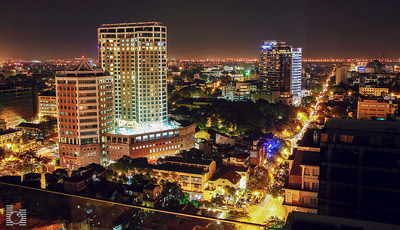
Asia skyline. Photo from the Property Report.

2013 Musicfest NW: Thao & the Get Down Stay Down turn out a compelling live show at Pioneer Square


 Thao Nguyen is a San Franciscan but fits right into the Portland, Ore., music scene. In a concert Saturday in Portland’s Pioneer Square, Nguyen and her band were home.

Read the full story by Curt Schulz from The Oregonian.


Singer Thao Nguyen from the ‘Thao and the Get Down Stay Down.’ Photo from the Oregonian.

Cultural stigma hurts Asian American teens with depression

By KATHERINE KAM, New America Media

Editor’s Note: The following article is part one of a three-part series on Asian Americans and mental health.

It was late on a school night — 3 a.m. — and Tracy’s 17-year-old son, Jason, was still playing video games in their one-bedroom apartment in Flushing, N.Y. The noise infuriated her and kept Jason’s younger brother awake.


Photo of a depress teen from New America Media.

The family had uprooted from Hong Kong to move here a few years ago, and Jason had become angry and withdrawn. When he wasn’t arguing with his mother or brother, he would retreat into endless hours of video games.

That night, Jason blocked all of her attempts to shut down his game, Tracy says. “We were fighting over the TV. I’d turn it off and he’d turn it on again. I got so angry that I threw the TV antenna out of the window.”

Tracy had arrived with such big hopes for her boys — a shot at one of New York City’s top public high schools, a chance for college. But making a new life in Queens was tougher than she had imagined. “Life is very hard here; to get used to the new environment, the finances, the economic problems,” she says. While her husband remained in Hong Kong, she got up in the mornings to work at an office job and then came home to take care of her children like a single mom.

Her younger son had adjusted smoothly, but not Jason. He refused to go to school. He had few friends. His angry outbursts rattled the household. “I thought he was being rebellious,” she says.

But eventually, Tracy learned the truth: Jason was deeply depressed. 

Depression in Asian American teens is a problem that few people glimpse, let alone imagine. But it’s a reality ― a painful one that’s often obscured by stigma, misinformation, and shame.

Jason’s social worker, Chi-Kit Ho, sees depressed teens who are referred to his mental health clinic inside the Charles B. Hwang Community Health Center, located just off Flushing’s bustling main artery of shops, banks and Asian restaurants.

Inside his office, Ho, whose affability helps him to connect with teens, says that it can be hard to spot the ones who are depressed. Yes, some, like Jason, isolate themselves. Some also cut themselves, drink or abuse drugs to cope. But many are adept at hiding their depression, he says. “From the outside, they may look popular and fabulous, but deep down, they may feel so bad about themselves.”

Ho’s young patients don’t use the word “depression,” he says. “But they will say that they feel bad all the time and don’t see the point in doing anything. Or some of them feel that they are a disappointment to their parents, so they don’t actually feel depressed, but guilty.”

Make no mistake: most Asian American teens are emotionally healthy and thriving. But government statistics suggest that a substantial number struggle emotionally. Among Asian American high school students, 29 percent have reported feeling “sad or hopeless” for at least two weeks in a row during the past year, enough to interfere with their daily lives, according to a recent national youth survey conducted by the Centers for Disease Control and Prevention (CDC). That figure is slightly higher than that of teens from all racial groups, 28 percent.

With suicidal thoughts, the gap widens. When the CDC asked Asian American students if they had seriously considered suicide during the past year, 19 percent answered yes, compared to 16 percent of all high school students. About 4 percent of Asian American teens reported a suicide attempt within the past year that required medical attention, compared to 2 percent of all students.

Of course, not all teens who report sadness and hopelessness may actually be clinically depressed. But in 2003, social worker Teddy Chen, Ho’s colleague at the Charles B. Hwang Health Center in Manhattan’s Chinatown, conducted a survey in which 1,032 healthy Chinese American children, ages 12 to 18, had undergone a professional mental health screening. In a finding that Chen calls “alarming,” the screening discovered that 12 percent showed signs of depression.

And yet, these children’s parents often declined help. As Chen noted in his assessment, “The high refusal rate reflects the significant barrier to providing mental health care to Asian American children.” 

Trying to understand mental illness

Across the nation, Asian Americans encompass a wide range of ethnic groups, from fourth-generation Japanese to first-generation Cambodians — all with differing life circumstances and notions of mental health. But as a group, Asian Americans aren’t likely to use mental health services. One national survey found that Asian American children 18 and younger were less likely than whites, African Americans and Latinos to receive mental health care.

In Flushing, which now has a large Chinatown, many immigrants have come in recent years from mainland China, Hong Kong, and Taiwan. Few understand depression and mental illness, Ho says.

His clinic provides health care, including mental health services, to mainly low-income families. When he counsels depressed teens, their stories often share common themes. Their mothers and fathers are coping with culture shock and financial stress. These parents often work long, exhausting hours at restaurants and factories, persevering to give their children an education and better prospects. But the grueling schedules often exact a cost.

“The parents work until 10 or 11 in restaurants, and they and their kids live separate lives,” Ho says. “Their teenagers don’t really see them. If they see them, the first question is, ‘Did you finish your homework?’ The teenager feels that ‘they just want me to study all the time.’”

Given their own cultural upbringing — what one cultural psychiatrist called “the stoic approach” — many parents don’t even have the vocabulary to talk with their children about their emotional lives, Ho says. “The Chinese say that if you feel pain, it forces you to grow. You suppress your feelings and get things done. Don’t think about being sad or unhappy. That’s not helpful.”

For some parents, tremendous upheavals, such as the Cultural Revolution, have shaped their outlook on life. “The mainland Chinese, they’ve actually had very tough lives,” Ho says. “They feel that if they’re providing their kids with a home and a computer, they should be happy. There’s no reason to be unhappy.”

When teens become depressed, their parents often draw a different conclusion. “We see angry kids, we see unhappy kids. Right now, we see a lot of kids really addicted to computer games,” Chen says. “Unfortunately, a lot of the symptoms will be interpreted by parents as a bad kid’s behavior.”

Jason was a quiet and introverted child in Hong Kong, Tracy says. He was always an average student, but had no real problems at school. When he came to Flushing, his first year as a seventh-grader seemed uneventful, but by eighth grade, he was skipping school frequently. When Tracy left for work early in the morning, she had no idea that Jason was planning to hide at home.

His mood darkened, too. “When he was in eighth grade and started getting angry, I didn’t pay attention. I should have,” Tracy says.

Shortly after 10th grade began, Jason stopped going to school altogether. He refused to leave the apartment. He slept a lot. “He wouldn’t wake up, even if I tried to get him up,” Tracy says. “He showed no interest in anything. He just slept and played a lot of video games.” These were all signs of depression, but Tracy did not know.

She tried to coax him out with the promise of a restaurant meal, but they’d always return home shortly after leaving. Jason would complain that his stomach hurt. He was anxious and fearful that people might see him, Tracy says. Then during one particularly angry confrontation that year, she called the police, which led to a psychiatric evaluation and diagnosis of depression.

“I knew he had a problem, but I didn’t know how to take care of him,” Tracy says with regret. Her son’s sadness weighs on her, too, she says, “like a heavy stone in my heart all the time.” At Tracy’s request, her husband moved to Queens from Hong Kong. “I couldn’t handle such intense stress alone,” she says.

Now under a psychiatrist’s care, Jason takes an antidepressant. He meets with Ho for counseling and has opened up about his struggles. “He trusts Kit Ho. If he’s unhappy, he’ll tell him,” his mother says. Tracy learned that her son dreaded going to school because his English was poor. He couldn’t keep up in class, and he felt alone and in despair.

Stubborn stereotypes can breed stress in Asian American students, Ho says. “If you go into a school and you’re Asian, teachers already assume you’re smart.” If students don’t perform well, many agonize — not just for themselves, but also for failing their families.

In the Manhattan clinic, Chen sees teens who are afraid of disappointing parents who brought them here for a better education. “The parents gave up their good life in Asia. In coming here, they sacrifice for the children, and the children know that. So the pressure is actually pretty serious on the teenagers,” he says.

Since parents commonly use academics to measure a child’s well-being, they’ll tend to deny any psychological problems as long as teens keep going to class, Ho says. Usually, it takes a crisis or a pattern — for example, a depressed teen’s truancy — to force the issue. “Parents get a call saying that the kid has missed school for a month, and they need to come in or the school will call Child Protective Services,” he says.

An intense stigma

Besides lack of knowledge about depression, mental health professionals face a second formidable obstacle: stigma. 

Asian American teens become depressed for various reasons. Family conflicts and academic failure loom large, but some have a family history of depression, which might make them genetically vulnerable.

Often, though, when a mental health professional delivers a diagnosis of depression, many parents will reject it. They fear that any mental problems will reflect badly on their son or daughter, as well as tarnish their entire lineage.

“Parents feel strongly stigmatized. People will label their child as being crazy or different, or put some sort of shadow onto it,” says Dr. Zheya Jenny Yu, a child and adolescent psychiatrist at the University of Pennsylvania Health System. “And families might feel that it’s challenging to their heritage by reflecting family dysfunction or weakness or by reflecting poor parenting skills.”

In many parents’ minds, depression threatens a child’s future. If outsiders see the mental illness as hereditary, the child might face poor marriage prospects. Parents worry, too, about their child’s success. “It’s not like they are bad parents,” Chen says. “It’s just that they are so concerned about the stigma. How are their kids going to get into a good school? How are they going to have a good career?”

Given the traditional Asian focus on education, a child’s school achievement is seen as evidence of good parenting, as well as the harbinger of a bright future. “Acknowledging that ‘my child has problems’ will probably shatter the dreams of the parents,” says Yu, who works with Asian families in Philadelphia. In China, where one child is the norm, mothers and fathers aspire to raise a “dragon child,” powerful like the legendary dragon of Chinese mythology. “We talk about expecting or anticipating that ‘my son will become a dragon.’ It’s just a saying,” Yu says. “If you think there’s a problem in your son, that dragon may never come true.”

Teens can sense the stigma. “A teenager can pick up that kind of information and also start denying,” Chen says. “They’ll say, ‘No, I’m fine now. I have no problem anymore.’”

Yu can’t always convince parents that depression is a disease that needs treatment, similar to asthma or hypertension, so she’ll mention the consequences of leaving depression untreated, including school failure. “That is what parents usually worry about the most,” she says.

Integrating mental health and physical health makes a difference, too, Chen says. The Charles B. Hwang clinics in Manhattan and Flushing formally connect the two spheres, housing mental health in the same buildings as their internal medicine, pediatrics and other medical departments. “We’re not an isolated system,” Chen says. Instead, pediatricians screen every teen for depression during annual physicals. Sometimes, they’ll uncover symptoms during other visits. “The kids present a lot of physical, somatic types of conditions,” Chen says. While parents typically avoid mental health professionals, “they will tend to go to a pediatrician and say, ‘My son is not doing well. He’s stopped eating. He’s starting to lose weight.’ ”

“The beautiful thing is that the pediatricians know the parents, and somehow, Chinese parents will actually listen to the doctor,” Ho says. If a doctor makes a mental health referral, parents are more likely to follow up.

Families aid recovery

WHERE TO FIND MORE INFORMATION

The National Alliance on Mental Illness (NAMI) 

NAMI, the nation’s largest grassroots mental health organization, offers information on mental illness, treatment and support programs. Visitwww.nami.org or call (703) 524-7600. NAMI also offers plentiful information on mental illness and recovery in various Asian languages, including Vietnamese, Chinese and Korean. See the website’s “Multicultural Action Center.”

The National Asian American Pacific Islander Mental Health Association (NAAPIMHA)

NAAPIMHA, a nonprofit organization that focuses on the mental health of Asian American and Pacific Islander communities, offers mental health information in English through its “Friends Do Make a Difference” campaign, which can be found online at www.naapimha.org. The phone number is (303) 298-7910.

Active Minds 

This student-run organization, which has more than 350 chapters on college campuses nationwide, provides mental health information and advocates for removing the stigma that surrounds mental illness. Its membership includes Asian American college students. Seewww.activeminds.org or call (202) 332-9595. 

National Suicide Prevention Lifeline

For anyone going through an emotional crisis or thinking about suicide, call (800) 273-TALK to speak to a trained crisis counselor. The Lifeline operates 24 hours, 7 days a week. It provides translation services for callers who speak Vietnamese, Mandarin, Cantonese, Korean, Japanese and most other Asian languages.

Jason was fortunate that Tracy supports his treatment, but not all parents do, Ho says. “Sometimes, I have to tell a teen, ‘You just have to take care of yourself. Your parents may never accept the fact that you are depressed.’”

But family is central to Asian cultures. “If parents are involved, we have a much better chance,” Ho says.

That’s an approach that Rocco Cheng, a psychologist at the Pacific Clinics in Los Angeles, embraces. For the past 10 years, his behavioral health care agency has offered three-month parenting courses through its Asian Pacific Family Center. Cheng knows that many immigrant parents feel blamed, especially at their teen’s school. “We try very hard to respect where they’re coming from, their decisions, and not to place blame on them. Many times, parents may feel that whenever they have problems with their kid at school, the teachers always say that parents are wrong.”

The course empathizes with parents’ struggles, but also shows them how life looks from their teens’ point of view, he says. “We let them know what it’s like to be growing up and going to school here, how disorienting that is, how crazy-making that can be, that you try to learn one system at school, and you go home and it’s a totally different system.”

In class, parents also learn how to build better relationships with their children, for example, by spending more fun time together and communicating with less friction. “A lot of Asian parents, they are not used to expressing themselves verbally or physically in a way that’s more conducive to positive communication. A lot of times, they’re more used to an authoritarian style and kids do not like it,” Cheng says. “We talk to them about different styles of communication and have them practice. What can we do to enhance the relationship?”

Without support, parents of depressed teens may feel hopeless and overwhelmed, Ho says. He invites former teen patients who have recovered to come back and talk with depressed teens and their parents. Not only do these older teens help make depression real, but they also offer parents tangible hope that their children will get better. Ho has already told Jason, “Someday, you’ll be a survivor and I’ll ask you to come in and help a younger one.”

Once a virtual shut-in, Jason has begun to recover. He’s back in school and hopes to still be able to go to college, Tracy says. Even though he still has trouble making friendships, he has developed an online social group by publishing his fictional stories on the Internet. Ho continues to help him explore his emotions and find ways to cope, and Jason has gained a new source of self-esteem as others applaud his writing.

Tracy sees the stigma that so many parents feel about depression, but now knows that it causes unnecessary suffering. “They’re afraid they’ll lose face. They try to avoid it,” she says. “But you need to face the problem. Otherwise, the problem will grow very big. You cannot control it.”

Katherine Kam specializes in reporting on health and medicine. This series on Asian American youth and mental health, supported by a Rosalynn Carter Mental Health Journalism Fellowship, was produced for New America Media and its national ethnic media network partners.


 

MIT, Harvard overrated? A new study says no


NGUOI VIET


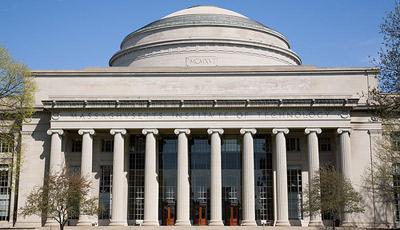
 Top Universities, an organization that ranks universities worldwide, has named the Massachusetts Institute of Technology as the best in the world, giving it a perfect score of 100.


Massachusetts Institute of Technology


 The 2013 list was compiled by QS World University Rankings after a review or more than 2,000 schools and a closer look at more than 700 campuses. Factors such as research, reputation and academics were used to put together the list.


 The QS World University Rankings put the Massachusetts schools, MIT and Harvard University, at the top of the list. They were followed by four British universities – Cambridge, University College London, Imperial College London and Oxford – and then by Stanford University, Yale University, the University of Chicago, the California Institute of Technology, Princeton University, ETH Zurich (Swiss Federal Institute of Technology), the University of Pennsylvania, and two New York universities, Columbia and Cornell.

 On its separate list of the Top 50 college in Asia, the Hong Kong University of Science and Technology took the top spot. No Vietnamese universities made the list.

Ranking our happiness


NGUOI VIET


 The second annual World Happiness Report, released Monday, says that people in the Scandinavian countries are the happiest with five African nations ranking in the bottom five.


U.N. Sustainable Development Solutions Network


 So just where do we stand in our happiness? The United States ranked 17 among the 156 countries measured in the United Nations-sponsored report. And Vietnam? It came in at No. 63, behind Albania and just in front of Hong Kong.

 The report was put together by the U.N. Sustainable Development Solutions Network and based on how satisfied people said they were with their lives and took into account considerations such as freedom, economic conditions, life expectancy and social support.

“There is now a rising worldwide demand that policy be more closely aligned with what really matters to people, as they themselves characterize their well-being,” report co-editor Jeffrey Sachs said in a statement. Sachs is director of the Earth Institute at Columbia University, New York.

In all, Denmark, Norway, Switzerland, Netherlands, Sweden, Canada, Finland, Austria, Iceland and Australia finished in the Top 10 on the happiness index. The bottom five: Rwanda, Burundi, Central African Republic, Benin and Togo.

Cancer children putting the focus on hope … and fun


STORY and PHOTOS by THIEN AN, NGUOI VIET


“ And … Action!”

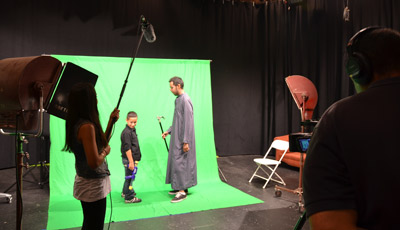
Director Ramon Hamilton’s voice projected throughout the studio of School of Theater, Film and Television at UCLA. Surrounding him were six children intently focused on their roles in the production. One rolled the camera, one held the microphone, others acted in the scene or mumbled their lines while waiting for the next scene.


One of the scenes being filmed on Saturday. 


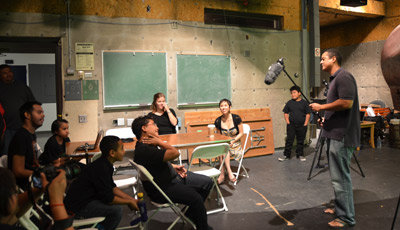
It all was part of the weekend’s Spotlight on Hope Camp, a free activity led by Think Ten Media for children with cancer. The kids had a chance to learn how to make a movie from award-winning professionals, working in groups to create a short, “green-screen” film. They also learned story and character development, camera techniques, video and film editing. Most of all, they had a chance to leave their hospital beds and just have fun.


Hamilton shows the children the proper way to use the microphone.


Since 2010, Think Ten Media has been working with youths and adults, low-income students and seniors, but this weekend marked its first film camp for kids diagnosed with cancer.

The project was the brainchild of Cassie Nguyen, 24, a brain cancer survivor   and intern at Think Ten Media. She has been an American Cancer Society legislative ambassador since 2007 and met with lawmakers to lobby for the passage of public health policy that focuses on the survivorship of cancer patients. Now, in her role at Think Ten Media, she proposed a free film class for kids with cancer.


Cassie Nguyen (left) and the campers listen to Director Ramon Hamilton’s instruction.


Think Ten Media members volunteered their time and work to run the class. Nguyen raised $700 for the project.

“This is a fun program that I once wished to have, something that gets your mind out of the horrible disease,” said Cassie Nguyen, reflecting on the seven years she spent afflicted by cancer, which included a shaky voice, double vision, a short memory and weakness in her legs.

“It is really hard for the kids,” she said of cancer. “And kids should have fun.”

Think Ten Media allowed Nguyen to name the project. The result was a natural as Nguyen said she wanted a name with a “spotlight for film and hope for cancer kids.”

 Weeks before the camp, Hamilton, the director, visited HOPE Resource Center at Children’s Hospital-Los Angeles to introduce the filming project. So many kids signed up that the registration list was filled that same morning.

 Some children who had signed up to participate, however, could not make it to the studio. Their treatments over the preceding weeks had made them too weak to leave the hospital.

Starting on Friday evening, the kids who were able gathered to write a script. After all the brainstorming, contributing — as well as a tad of arguing – they had their story. The came up with a sci-fi plot focused on two brothers: the “evil” older brother who loved video games so much that he refused to take the younger brother to a candy store, and the younger one, who passed the time daydreaming in his tree house. In his daydream, he became a hero, fighting against evils to protect a candy land.

 The experience was memorable for both patients and their extended families.

“This is first time we have been in a studio,” said Juan Chavarria, a parent from Los Angeles. “After we left yesterday, the kids still talked about the film for hours.” While it is his daughter who has cancer, his sons joined her at the camp.

The filming took place on Saturday. While not part of the scene, the children took their turns behind the camera or manning the microphone. Seven scenes were filmed from 10 a.m. to 1 p.m., with frequent breaks to give the children a rest.

On Sunday, the group met again for digital editing, and Hamilton was happy to be a part of the process.

“It allows their imagination to go completely wild. This is a great escape from their normal, everyday at the hospital.” Hamilton explained.


To check out a scene from the group’s movie, go to http://www.youtube.com/watch?v=hsRrFnTYx2Y. To learn more about the Spotlight on Hope Camp or to donate toward future camps, please contact If you are interested in sponsoring the program please contact Cassie Nguyen at (951) 789-8401 or by email at [email protected]. Or, contact Jennifer Fisher at (661) 295-1906 or by email at [email protected].


Next: a special red carpet World Premier Film Screening event will be held for the students and their families.

Cassie Nguyen’s dream came true: a free filming camp for children. The next step? Hopefully spreading it to other youngsters afflicted by cancer.

“We would love to see this program develop into a national program. We hope to work with different hospitals that have cancer patients, not only kids, but adults as well,” said Jennifer Fisher, co-director of Think Ten Media.

To contact the writer: [email protected]

Read this story in Vietnamese


VITAS: Planned partnership poses a challenge for Vietnam’s garment sector

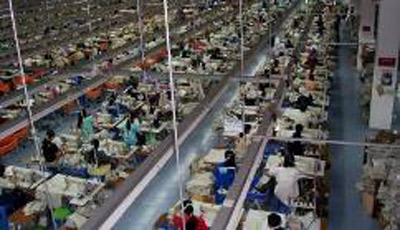
 The proposed Trans-Pacific Partnership (TPP) could complicate things for Vietnam’s garment and textile sector, which depends on the imports of raw materials to produce clothing and other goods, according to the Vietnam Textile and Apparel Association, or VITAS. Of the 420,000 tons of cotton the Vietnamese textile industry used last year, all but 5,000 tons were imported.

Read the full story from Fibre2Fashion.

Clothing factory. Photo from Fibre2Fashion.

Tin mới cập nhật